


Space Agencies Announce Joint Moon Mission Expansion Plans
International cooperation in lunar exploration signals a new era of global space competition.
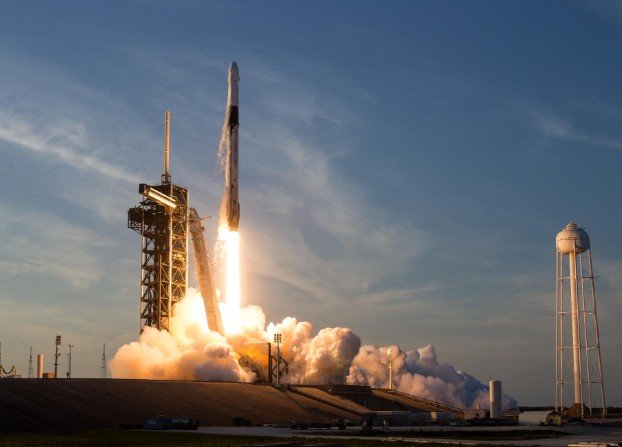
WASHINGTON, May 11: Major global space agencies announced expanded cooperation plans for future lunar missions, marking a significant step toward long-term human presence on the Moon and deeper space exploration.
Officials from the NASA, the European Space Agency, and several Asian space programmes revealed new agreements focused on lunar infrastructure, scientific research, and astronaut training.
The announcement includes plans for advanced lunar habitats, robotic exploration systems, and resource extraction technologies designed to support future human settlements on the Moon’s surface.
Space experts say renewed interest in lunar missions reflects increasing geopolitical competition as nations seek technological leadership and strategic advantages in space exploration.
China and Russia are also expanding independent lunar research initiatives, intensifying what analysts describe as a new global space race. Several private aerospace companies are expected to play major roles in transporting cargo, astronauts, and scientific equipment.
Scientists believe lunar exploration could provide valuable information about deep space travel, planetary geology, and potential future missions to Mars. Researchers are particularly interested in water ice deposits believed to exist near the Moon’s polar regions.
The expansion of international cooperation highlights the growing role of commercial partnerships in the space sector. Private firms developing reusable rockets and advanced spacecraft technologies are receiving major investments from governments and investors worldwide.
Environmental experts, however, have raised concerns regarding space debris management and the long-term sustainability of increased lunar activity. Regulatory discussions regarding resource utilisation and territorial claims are expected to intensify in coming years.
Despite geopolitical rivalries on Earth, many scientists argue that collaborative space exploration remains one of the few areas where international cooperation can still thrive. The latest announcements suggest that humanity’s return to the Moon may become one of the defining scientific achievements of the decade.

