


‘Spiralling Out of Control’: Political and Sports Leaders React as Pakistan Boycotts T20 World Cup Clash With India
Leaders across party lines criticise Islamabad’s move, while Shashi Tharoor warns against cricket being dragged deeper into political conflict
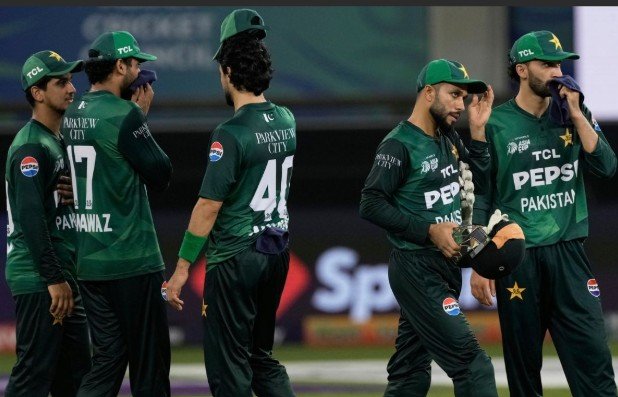
Pakistan, Jan 02 : Pakistan’s decision to stay away from its scheduled match against India at the ICC Men’s T20 World Cup 2026 has sparked strong reactions from political leaders in New Delhi, reopening debate over the growing politicisation of sport in the region.
With bilateral ties already strained, the boycott has been interpreted by several leaders as a sign of reluctance to compete on the field, while others see it as yet another example of cricket becoming collateral damage in broader political disputes.
Leaders accuse Pakistan of avoiding competition
BJP MP Shashank Mani launched a scathing attack on Pakistan, alleging that the boycott reflected fear of defeat rather than principle. He said a team that enters a tournament must be prepared to play all matches, adding that withdrawing mid-competition undermines the spirit of sport.
Trinamool Congress MP Kirti Azad echoed similar sentiments, claiming Pakistan lacked confidence of victory. He also linked the decision to past security concerns, arguing that India itself had missed opportunities earlier to take a strong stand on terrorism through sporting boycotts.
Tharoor cautions against politicising cricket
Congress MP Shashi Tharoor struck a different note, warning that dragging cricket into political confrontations was harmful and counterproductive. He described the current chain of retaliatory decisions across countries as unhealthy and said the situation was rapidly escalating.
Calling the developments “unsustainable,” Tharoor stressed that cricket should function as a bridge between people, not a battleground for political signalling. He also criticised recent instances where players faced consequences due to diplomatic tensions.
Call for ICC intervention
Tharoor urged the International Cricket Council to step in as a neutral mediator, suggesting urgent dialogue among stakeholders to prevent further escalation. He said global sporting platforms must work to insulate the game from political fallout, warning that continued standoffs risk long-term damage to international cricket.
The boycott has intensified scrutiny on how geopolitical tensions continue to influence sporting ties in South Asia, raising questions about the future of high-profile India-Pakistan encounters on the world stage.

