


Sports for Strong India
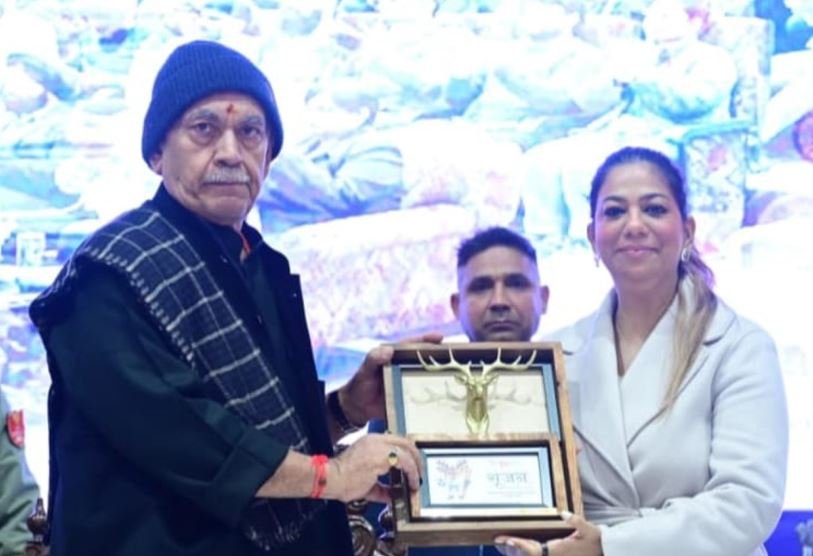
The place of sports in society has gradually expanded from the realm of recreation to that of a meaningful contributor to social development, youth engagement, and community harmony. In regions such as Jammu and Kashmir, sports hold particular importance as they offer young people a positive and inclusive platform to express talent, build confidence, and connect across social boundaries. Beyond competition, sports provide a shared space where discipline, teamwork, and mutual respect can grow naturally, supporting the broader goals of national cohesion and social well-being.
Linking sports with education and essential life skills reflects a thoughtful approach to holistic development. Learning through sports complements academic instruction by nurturing qualities that cannot be taught solely through books. Participation in sports helps young people develop perseverance, leadership, and a sense of responsibility through lived experience. When schools and institutions integrate sports into the learning process, they contribute to shaping balanced individuals who are physically active, mentally resilient, and socially conscious. The growing attention to sports governance highlights the need for systems that are fair, transparent, and encouraging. Clear selection processes, merit-based opportunities, and structured pathways for talent development help build trust among athletes and their families. When young sportspersons feel assured that effort and ability are recognized without bias, their motivation deepens. Good governance, therefore, becomes an essential foundation for sustaining interest and excellence in sports. Investment in sports is also an investment in character and citizenship. Regular involvement in physical activity fosters habits of discipline, punctuality, and respect for rules. These qualities often extend into daily life, influencing how individuals engage with society. Over time, a strong sports culture contributes quietly to a more disciplined and confident citizenry, strengthening the social fabric. Grassroots development remains central to building a sustainable sports ecosystem. Access to facilities, trained coaches, and organized opportunities at the local level ensures that talent from all sections of society has the chance to emerge. Schools, colleges, and community centers serve as important starting points where young athletes discover their potential. When institutional support reaches the grassroots, sports become inclusive rather than limited to a few. Encouraging greater participation of women and youth is another important dimension of sports development. Addressing social and structural barriers requires sensitive policies, safe environments, and sustained encouragement. Inclusive sports programmes can empower women and young people by providing visibility, confidence, and equal opportunity. In this way, sports become a tool for social equity and personal growth. The effectiveness of national sports policies depends largely on their implementation at the regional level. Adapting broader frameworks to local needs ensures that policies remain relevant and impactful. In Jammu and Kashmir, aligning national goals with regional realities can help create performance pathways that are both ambitious and accessible. Such coordination strengthens institutional capacity and ensures steady progress. Sports also offer valuable lessons in emotional balance and civic values. Learning to accept both success and setbacks fosters resilience and maturity. Respect for teammates, opponents, and officials encourages empathy and fair play. When sports are conducted in a peaceful and apolitical environment, they retain their integrity and continue to inspire excellence.
Ultimately, nurturing sports as part of everyday life contributes to the development of a future-ready generation. Thoughtful investment in infrastructure, governance, and education-based sports programmes can create lasting benefits. Sports, when approached with care and inclusivity, serve not only as a means of physical fitness but also as a gentle yet powerful force for unity, discipline, and shared progress. Last but not least, Lieutenant Governor Manoj Sinha’s consistent emphasis on sports as a tool for discipline, inclusion, and nation-building reflects a clear and compassionate vision. His focus on transparency, education-linked sports, and equal opportunity provides a strong foundation for nurturing talent and building a confident, future-ready generation in Jammu and Kashmir.

