


Starlink Reapplies for Approval of Gen 2 Satellite Network in India
Elon Musk’s SpaceX seeks clearance for nearly 30,000 low Earth orbit satellites as India weighs new rules for direct-to-device connectivity.
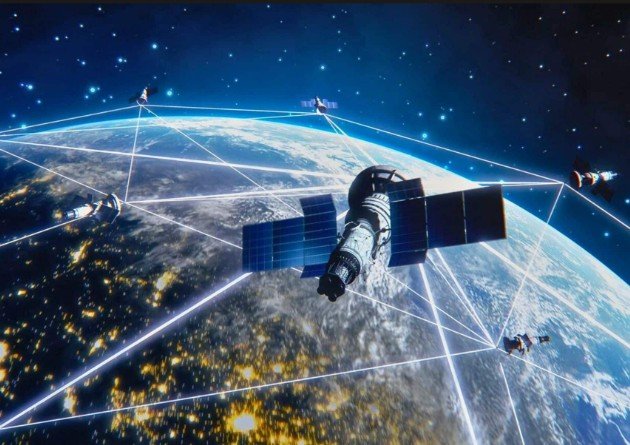
India, Aug 20 : Starlink has renewed its efforts to launch satellite communication services in India by submitting a fresh application to the Indian National Space Promotion and Authorisation Centre (IN-SPACe) for approval of its second generation satellite network, according to a report by The Economic Times citing people familiar with the development.
The company, owned by Elon Musk, has applied for authorisation to operate nearly 30,000 satellites over India. The proposed spacecraft would operate in low Earth orbit at altitudes ranging from about 340 km to 615 km, the report said.
The latest application follows an earlier setback for the company. Starlink’s previous request for its Gen 2 constellation was rejected after the proposed network was found not to conform to certain technical features and spectrum bands.
IN-SPACe, India’s space sector regulator, had approved Starlink’s first generation constellation comprising 4,408 satellites in July 2025. The fresh application seeks permission for a significantly larger network designed to support newer satellite-based communication capabilities.
D2D technology could expand satellite connectivity
A key feature expected from the next generation network is direct to device (D2D) connectivity. The technology could allow compatible mobile devices to connect directly with satellites, potentially extending communication services to areas where conventional terrestrial networks have limited coverage.
India is currently examining the regulatory framework for D2D services and is also considering the use of additional spectrum bands for satellite communications. The evolving policy environment is understood to have encouraged Starlink to submit a revised proposal for its second-generation network.
SpaceX has plans to deploy roughly 42,000 satellites worldwide as part of its Gen 2 programme. However, its current Indian application covers nearly 30,000 satellites, with the company potentially seeking approval for more spacecraft at a later stage.
Commercial launch in India still pending
Despite securing approval for its first-generation constellation, Starlink has not yet commenced commercial satellite communication services in India.
Other major non-geostationary satellite operators are also awaiting the regulatory clearances required to begin operations. These include Eutelsat OneWeb and the joint venture between Reliance Jio and Luxembourg based SES.
Security approvals and the allocation of spectrum remain among the key issues delaying the commercial rollout of satellite broadband services.
The government has also not yet finalised the pricing framework for spectrum used by satellite operators. Meanwhile, the Telecom Regulatory Authority of India (TRAI) is conducting consultations on D2D communication services.
The regulatory decisions on spectrum pricing, security requirements and direct-to-device connectivity are expected to play an important role in determining how quickly satellite-based communication services can expand across India.

