


Strait of Hormuz Shipping Traffic Sees Slight Uptick, Data Shows
Ten commodity vessels crossed the strategic waterway on Wednesday, still below the recent 10 day average, as Iran and Oman continued discussions over its operations.
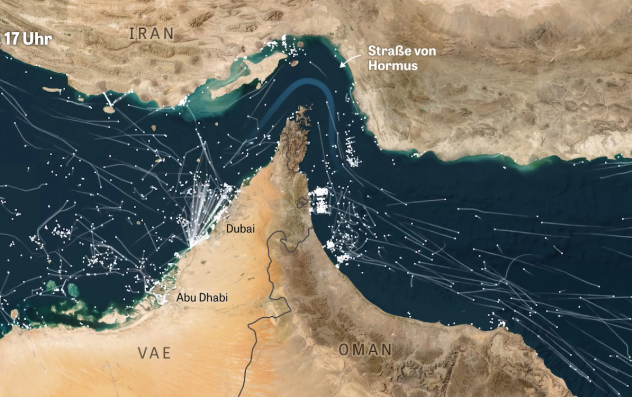
Singapore, Aug 27: Shipping activity through the Strait of Hormuz recorded a modest increase on Wednesday, even as tensions between Iran and the United States continued and attention remained focused on discussions between Iran and Oman over the strategic waterway.
Data from Kpler showed that 10 commodity vessels were recorded transiting the strait on Wednesday, compared with eight a day earlier. However, the figure remained well below the 10-day moving average of around 15 vessels.
Among the vessels entering the strait from the Gulf of Oman were two medium range fuel tankers, a liquefied petroleum gas carrier, one Panamax tanker and three Handymax tankers.
Three other vessels were recorded leaving the waterway towards the Gulf, including a medium range fuel tanker, a bitumen tanker and a bulk carrier.
The increase in movement came as Iran and Oman continued efforts to finalise arrangements concerning the Strait of Hormuz. A senior Iranian source said Wednesday that discussions were still underway, following a statement by Iran’s Revolutionary Guards that the two countries had reached an understanding on sharing the waterway and its revenues.
Shipping activity also weakened for a second consecutive day in the Bab el-Mandeb Strait, another major maritime route.
Kpler data showed that 19 commodity vessels passed through Bab el-Mandeb on Wednesday, including six tankers heading out of the waterway. The figure was down from 24 vessels recorded the previous day, with the vessels exiting including a very large crude carrier.
The shipping figures may not provide a complete picture of activity in either waterway, as some vessels could be operating with their automatic identification system transponders switched off, making them difficult to track.
The Strait of Hormuz remains a critical route for global energy shipments, while any prolonged disruption or uncertainty over vessel movements could continue to draw close attention from commodity and shipping markets.

