


Strait of Hormuz Tensions Rise as US Dismisses Iranian Claims, Negotiators Head to Switzerland
High stakes negotiations open in Switzerland as Washington challenges Tehran's claims over the strategic waterway and seeks progress on regional security issues.
ZURICH, June 21: Fresh diplomatic efforts between the United States and Iran got underway in Switzerland on Sunday as senior officials from both nations gathered for crucial negotiations aimed at preserving a fragile ceasefire and advancing discussions on regional security, nuclear concerns, and economic stability.
The talks mark the most significant direct engagement between Washington and Tehran since the conclusion of their nearly four-month conflict. However, the diplomatic initiative faces immediate challenges after Iranian military authorities announced restrictions on the Strait of Hormuz, a critical global energy corridor, prompting a swift response from American officials.
Strait of Hormuz Becomes Early Flashpoint
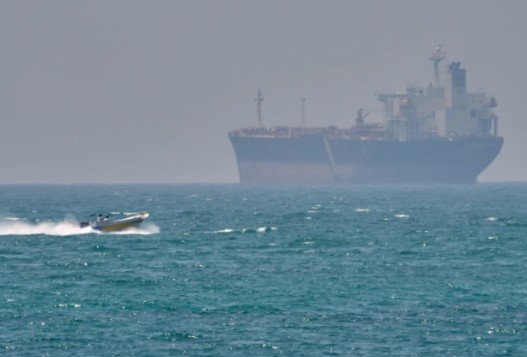
The strategic Strait of Hormuz emerged as a major point of contention ahead of the negotiations. Iranian military authorities declared the waterway effectively closed, citing security concerns and ongoing regional developments.
The United States strongly rejected the assertion, maintaining that maritime traffic continued uninterrupted through the narrow passage connecting the Persian Gulf to international waters. American military officials reported that dozens of commercial vessels successfully crossed the route, transporting millions of barrels of crude oil destined for global markets.
Washington emphasized that naval assets remain deployed in the region to safeguard international shipping lanes and ensure freedom of navigation.
The dispute highlights the broader geopolitical significance of the strait, through which a substantial portion of the world’s energy supplies transit daily. Any disruption could trigger volatility in global oil markets and increase concerns about energy security.
Diplomatic Momentum Despite Regional Friction
The negotiations follow a 60-day ceasefire arrangement facilitated by Pakistan and endorsed by leaders from both countries earlier this week. The agreement was designed to halt hostilities while creating space for broader diplomatic engagement.
Iran’s delegation arrived in Switzerland led by senior political figures and accompanied by officials responsible for foreign affairs, economic policy, energy strategy, and national security matters. The diverse composition of the team reflects the wide range of issues expected to be discussed during the meetings.
The American side is being represented by Vice President JD Vance alongside key diplomatic envoys tasked with advancing negotiations on security and nuclear-related concerns.
Officials from both countries have expressed cautious optimism about the discussions, although significant differences remain unresolved.
Washington Seeks Progress on Nuclear Issues
One of the central objectives of the Switzerland meetings is to establish a framework for addressing long-standing concerns surrounding Iran’s nuclear activities.
American officials have repeatedly stated that any lasting agreement must include verifiable measures aimed at reducing tensions and enhancing transparency regarding Tehran’s nuclear program.
Before departing for Switzerland, Vice President Vance expressed confidence that the ceasefire would remain intact and suggested that the talks could generate meaningful progress.
According to U.S. officials, discussions are expected to continue over several days, with negotiators focusing on practical confidence-building measures before tackling more complex strategic issues.
Tehran Demands Implementation of Commitments
Iranian representatives have indicated that a major priority during the talks will be ensuring that all parties fulfill obligations outlined in previous understandings.
Officials in Tehran argue that past agreements have often suffered from inconsistent implementation, creating mistrust and undermining diplomatic progress.
Iranian leaders have also linked the future stability of regional energy supplies to the successful execution of commitments made under the latest ceasefire arrangement.
The emphasis on accountability is expected to feature prominently throughout the negotiations, as both sides attempt to bridge longstanding differences.
Lebanon Situation Threatens Delicate Progress
Complicating the diplomatic landscape is the continuing instability in Lebanon, where clashes involving Israeli forces and Hezbollah have persisted despite efforts to reduce tensions.
Recent military exchanges have raised concerns that broader regional dynamics could undermine progress achieved through the ceasefire initiative.
Lebanese authorities reported casualties following airstrikes in several areas, while Israeli officials stated that military operations were conducted in response to security threats and attacks targeting their forces.
The situation remains highly sensitive, with both sides accusing each other of violating understandings intended to restore calm.
Israel Maintains Independent Security Position
Israel has signaled that it is not formally bound by the U.S.-Iran arrangement and intends to continue pursuing its security objectives independently.
Reports from Israeli media indicate that military authorities have been instructed to exercise restraint under certain circumstances while maintaining operational readiness in contested areas.
The position reflects Israel’s ongoing concerns regarding regional security developments and its determination to preserve strategic flexibility.
Public Opinion Reveals Growing Skepticism
A recent survey conducted in Israel highlighted widespread public skepticism regarding the outcomes of recent military operations.
According to the poll, a large majority of respondents questioned whether the objectives of the conflict had been achieved and expressed doubts about official assessments of the campaign’s success.
The findings underscore the broader political and strategic challenges facing regional leaders as diplomatic efforts continue.
Energy Markets Watching Closely
Global energy markets remain focused on developments surrounding the Strait of Hormuz and the outcome of the Switzerland negotiations.
Analysts note that sustained stability in the waterway is essential for maintaining predictable oil supplies and preventing major disruptions to international trade.
Any signs of escalation could trigger renewed concerns about supply chains, shipping costs, and commodity prices.
Critical Week for Regional Diplomacy
The coming days are expected to be decisive as negotiators attempt to transform the temporary ceasefire into a broader framework for engagement.
While deep disagreements persist on several issues, the willingness of both sides to participate in direct talks has generated cautious hope among international observers.
Success in Switzerland could pave the way for further diplomatic initiatives addressing nuclear concerns, regional security, and economic cooperation. Failure, however, risks reigniting tensions across an already volatile region.
For now, the focus remains firmly on the negotiating table, where diplomats are seeking to prevent fresh escalation and build momentum toward a more stable Middle East.

