


Study Finds Link Between Air Pollution and Suicide Risk
Review highlights associations involving fine particulate matter and nitrogen dioxide, while researchers call for further investigation into environmental factors.
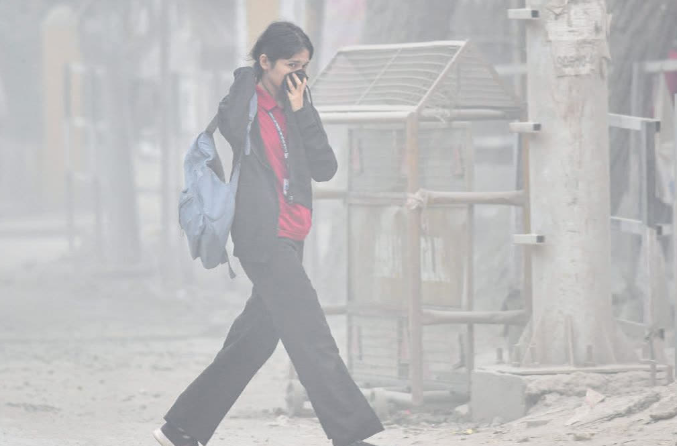
NEW DELHI, Sept 16: Exposure to certain air pollutants may be associated with a higher risk of suicide, suicide attempts and suicidal thoughts, according to a review of existing research published in the Journal of Epidemiology and Community Health.
Researchers from Queen’s University Belfast in the UK examined findings from 29 studies investigating the relationship between environmental pollution and suicide related outcomes. The review identified particularly strong associations involving fine particulate matter, including PM2.5 and PM10, as well as nitrogen dioxide (NO2).
The authors said the findings point to environmental exposure as a potentially modifiable factor that could be considered alongside other elements in suicide prevention efforts.
According to the meta-analysis, both short-term exposure to PM2.5 and PM10 and longer-term exposure to PM2.5 and NO2 were positively associated with suicide-related outcomes. These included deaths by suicide, suicide attempts and suicidal ideation.
The researchers noted that suicide is influenced by a complex combination of individual, biological and social circumstances, making it an important public health issue. While environmental factors have been widely examined in relation to conditions such as depression and anxiety, their possible connection with suicide has received comparatively less attention.
The review also pointed to possible associations involving other pollutants, including sulphur dioxide and ozone, although the researchers said further evidence is needed to establish these relationships.
The scientists suggested that exposure to pollutants may affect neurological and psychological health through several pathways. Previous research has linked pollutants and certain contaminants in water, including arsenic, lead, lithium and nitrate, with neurological effects such as inflammation and nerve damage that can interfere with brain function.
Environmental stressors may also play a role. Traffic related noise and light pollution have been associated with increased stress and disruption of the body’s natural circadian rhythm, the researchers noted.
Ben Mullins, a professor at Curtin University’s School of Population Health in Australia, said the analysis was among the early meta-analyses to examine the relationship between air pollution and suicide.
Mullins, who was not involved in the research, said existing evidence already links several pollutants, particularly certain metals, with neurological effects and mental health conditions such as depression and anxiety.
However, he cautioned that the effect sizes reported in the studies were relatively small and that some potential confounding factors were not adequately addressed.
He noted that weather and climate extremes have also been associated with suicide in other research and can occur alongside periods of elevated air pollution. Separating the effects of these factors could therefore be important for understanding the relationship.
Mullins called for further research to distinguish the influence of air pollution from socioeconomic conditions, weather patterns and other variables. Such studies, he said, could help clarify potential causal mechanisms and identify possible measures to reduce environmental risks.
The researchers similarly stressed that more evidence is required to understand how environmental exposures may contribute to suicide-related outcomes and how such risks could potentially be addressed through public health measures.

