


Supreme Court Flags Surge in Child Trafficking, Urges States to Act with Urgency and Coordination
Bench criticises delay in compliance, warns lack of action could worsen nationwide trafficking crisis
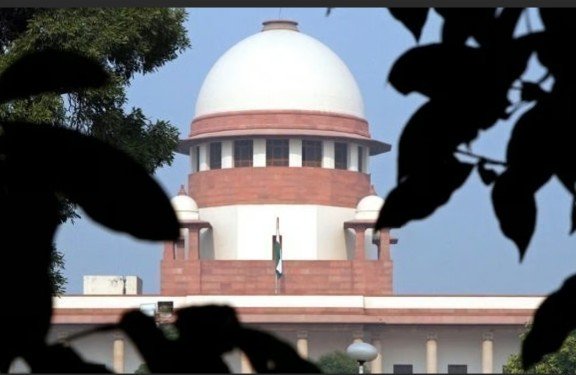
New Delhi, Apr 9: The Supreme Court of India has expressed serious concern over the growing menace of child trafficking across the country, cautioning that the situation could spiral out of control if urgent and coordinated steps are not taken by States and Union Territories.
A bench comprising Justice JB Pardiwala and Justice KV Viswanathan, while hearing a petition on Wednesday, observed that organised trafficking networks are actively operating nationwide. The court emphasised that effective action must come from state governments and their respective home departments.
The bench underlined that while judicial monitoring is possible, the responsibility for enforcement lies primarily with state authorities, police forces, and investigative agencies. It urged administrations to act with vigilance and urgency to curb the growing threat.
Expressing dissatisfaction, the court criticised several states and UTs for their “lackadaisical” approach in implementing directives issued in a landmark 2025 judgment aimed at dismantling trafficking syndicates. Justice Viswanathan pointed out that successful recovery of trafficked children in certain cases demonstrates that the issue can be tackled effectively, provided there is sufficient political and administrative will.
The earlier ruling, delivered on April 15, 2025, had laid down a comprehensive framework to combat trafficking. It mandated that trials in such cases be completed within six months through day-to-day hearings. The judgment also called for strengthening Anti-Human Trafficking Units (AHTUs), improving investigative procedures, and establishing state level monitoring committees to identify high risk areas.
Additionally, authorities were directed to treat all missing children cases as potential trafficking incidents unless proven otherwise an approach aimed at ensuring swift and serious response.
The bench also noted poor compliance by multiple states, stating that reports submitted by some were merely superficial and failed to meet prescribed standards. It highlighted that Madhya Pradesh, Goa, Haryana, Lakshadweep, Mizoram, Odisha, and Punjab have yet to file reports in the required format.
When the Home Secretary of Madhya Pradesh apologised for the delay, the court granted a final opportunity for compliance but issued a stern warning that continued failure would result in states being officially labelled as “defaulting.”
Further, the bench observed that at least 15 states have not yet set up the mandated review committees to monitor trafficking-prone regions, reflecting gaps in institutional response.
The matter is scheduled for further hearing on April 29, with the court expecting stricter adherence to its directives and a more proactive approach from state authorities to address the escalating crisis.

