


Supreme Court Plea Questions Caste Discrimination Definition in 2026 UGC Regulations
Plea argues new UGC regulations deny protection to non-reserved category students and faculty, violate equality and dignity under Constitution
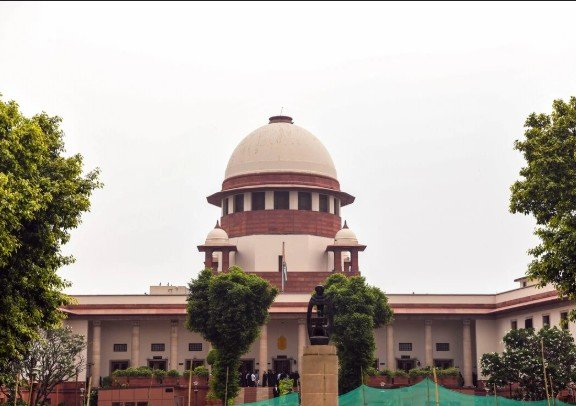
New Delhi, Jan 27: A petition has been filed in the Supreme Court questioning the validity of the University Grants Commission’s (UGC) newly notified 2026 regulations on equity in higher education, alleging that they adopt a narrow and exclusionary definition of caste-based discrimination.
The plea contends that Regulation 3(c) of the UGC (Promotion of Equity in Higher Education Institutions) Regulations, 2026 limits the meaning of caste discrimination to cases involving Scheduled Castes (SC), Scheduled Tribes (ST), and Other Backward Classes (OBC), thereby excluding individuals from non-reserved categories who may also face caste linked bias or harassment.
Filed by petitioner Vineet Jindal, the challenge argues that such a restrictive definition deprives a section of students and faculty members of institutional safeguards and grievance redressal mechanisms solely on the basis of their caste classification. The petition claims this approach creates an unconstitutional hierarchy of protection within educational institutions.
According to the plea, the regulation in its present form violates Articles 14 and 15(1) of the Constitution, which guarantee equality before law and prohibit discrimination on grounds including caste. It further alleges a breach of Article 21, asserting that denial of protection against discrimination undermines the right to live with dignity.
The petitioner has urged the apex court to restrain authorities from enforcing Regulation 3(c) as it currently stands and to direct the UGC to redefine caste-based discrimination in a caste neutral manner that extends protection to all individuals facing discrimination due to caste, regardless of category.
The plea also seeks interim directions to ensure that mechanisms such as Equal Opportunity Centres, Equity Helplines, and the Ombudsperson system established under the 2026 regulations are made accessible to every student and staff member without discrimination, pending a final decision on the issue.

