


Tarigami, Parra Question Advertisement Policy as Assembly Debate Heats Up Over Media Allocation
Debate Heats Up in Assembly Over Advertisement Distribution to Newspapers
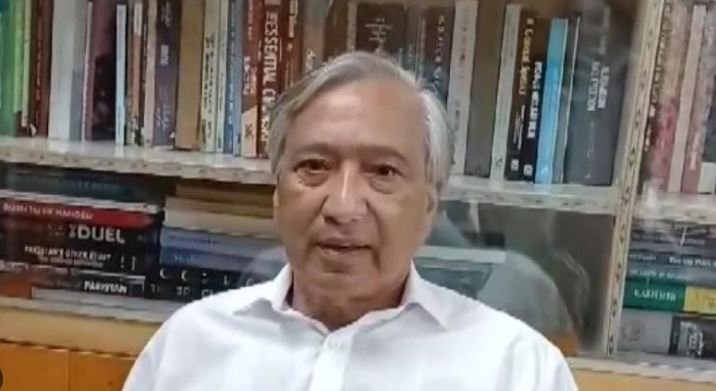
JAMMU, Feb 19: Concerns over the allocation of government advertisements to newspapers dominated proceedings in the Jammu and Kashmir Legislative Assembly, with CPI(M) MLA Mohammed Yousuf Tarigami and PDP MLA Waheed Parra questioning the rationale behind the Information Department’s policy.
Participating in the debate on the Demands for Grants under the Chief Minister, Tarigami echoed earlier apprehensions raised in the House, stating that several lesser-known newspapers were reportedly receiving a substantial share of government advertisements, while established and widely circulated publications were being overlooked. He remarked that many of the publications receiving maximum advertisements were unfamiliar to both legislators and the public.
Calling for a transparent and structured framework, Tarigami said there was a pressing need to frame clear and objective guidelines for the allocation of advertisements to newspapers and news channels. He argued that not only leading publications but also several smaller newspapers and electronic media platforms had been sidelined in the current distribution process.
PDP legislator Waheed Parra also expressed dissatisfaction with the existing policy, describing the reported neglect of prominent newspapers as a matter of concern. He urged the government to rationalise the advertisement policy and introduce a viable, transparent mechanism that ensures fairness and credibility in media outreach.
Beyond the advertisement issue, Tarigami spoke about broader governance matters. Referring to institutional frameworks formulated in earlier decades, he suggested that certain administrative processes had been diluted over time and called for restoring a structured planning mechanism. He proposed strengthening the Planning Department and improving the functioning of Development Authorities in Srinagar and Jammu.
The CPI(M) MLA also raised apprehensions over possible power sector privatization, cautioning that such measures could adversely affect economically weaker sections. He voiced concern about discussions surrounding amendments to electricity laws and stressed that access to affordable power must remain a priority in a region with vast hydropower potential.
Highlighting ground-level grievances, Tarigami alleged that residents in parts of his constituency were being asked to procure electric poles and wiring at their own expense, with the department only installing meters. The issue drew serious attention from the Chair, which sought further details. He also called for the constitution of a committee to examine these concerns and demanded a dedicated cultural unit for Kulgam along with budgetary focus on climate change mitigation.
The House also witnessed a sharp verbal exchange between Education and Health Minister Sakina Ittoo and BJP MLA Balwant Singh Mankotia during the debate. The disagreement arose after remarks were made regarding previous administrative decisions related to daily wagers and Anganwadi workers. Members from both sides intervened, leading to brief disorder before the Chair restored calm.
Other legislators used the debate to raise additional concerns. Former Minister Chander Parkash Ganga highlighted the growing drug menace and alleged links between drug trafficking and bovine smuggling, particularly in border districts. He called for renewed industrial development in Jammu’s Kandi belt to generate employment opportunities for youth.
People’s Conference MLA Sajad Lone raised concerns over police verification procedures for government job aspirants, stating that applicants were allegedly being denied certificates based on distant familial links to past militancy cases. He also criticised reported demolition drives and eviction notices issued to shopkeepers in Handwara, seeking humanitarian consideration.
National Conference MLA Saif-ud-Din Bhat emphasised the need to strengthen tourism, horticulture and handicrafts sectors to make the Union Territory more economically self-reliant. He called for promoting emerging destinations such as Dudpathri and exploring forest tourism models similar to international practices.
The wide-ranging debate reflected growing demands for transparency, institutional reform and balanced development across sectors in Jammu and Kashmir, as legislators pressed the government to address administrative gaps and public grievances.

