


THREATS TO WATER BODIES
Editorial
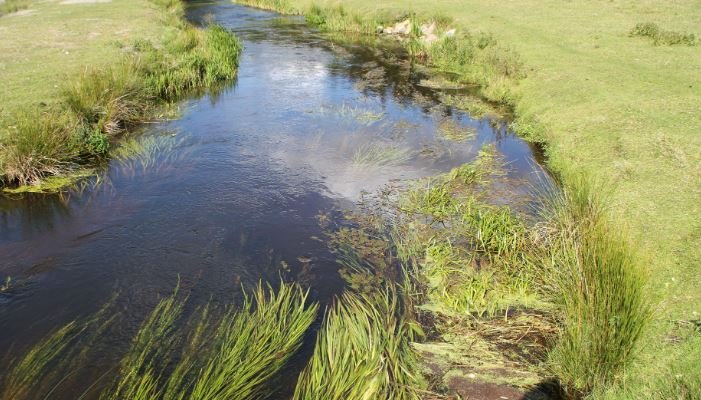
Water is the most precious natural resource on our planet, and India is blessed with a vast number of water bodies such as rivers, lakes, ponds, tanks, and wetlands. These water bodies play a critical role in maintaining the ecological balance, supporting diverse ecosystems, and providing livelihoods for millions of people. However, the current state of water bodies in India is alarming, with many of them facing the threat of depletion and degradation. Recently, India conducted its first-ever census of water bodies, which identified over 24 lakh water bodies across the country, including natural and artificial water bodies. However, the report notes that 23.3% of water bodies in Jammu and Kashmir are ‘not in use’ due to drying up or being destroyed beyond repair, and 103 water bodies in J&K are encroached upon. This situation is a cause for concern, and urgent action is needed to protect and restore these vital resources for future generations.
Water bodies are critical sources of fresh water, which is essential for various purposes such as drinking, irrigation, industrial, and domestic uses. In Jammu and Kashmir, over 76.7% of water bodies are ‘in use’ primarily for domestic, drinking, and irrigation purposes. However, the drying up of water bodies due to climate change, deforestation, over-extraction of water, encroachment, and land use changes is threatening the availability of freshwater for various uses. Climate change is one of the primary reasons for the drying up of water bodies in India. Changing rainfall patterns, rising temperatures, and melting glaciers are affecting the water supply in rivers, lakes, and other water bodies. In Jammu and Kashmir, the receding glaciers and snowfall have impacted the water flow in the rivers and lakes. Deforestation is another significant factor contributing to the drying up of water bodies. The increasing demand for water due to population growth, urbanization, and industrialization has led to the over-extraction of water from rivers and groundwater reserves. Encroachment on water bodies, such as building structures on lakebeds, and land use changes, such as converting wetlands to agricultural land, are also contributing to the drying up of water bodies.
Freshwater supply is being threatened by the drying up of water bodies, which is also having an effect on the ecosystems that depend on them. Particularly for migrating birds and endangered species, wetland habitats are essential. Lakes and rivers are essential for regulating floods. Water bodies serve as a kind of natural storage facility, storing extra water during the monsoon and gently releasing it during the dry season. Many water bodies in Jammu and Kashmir are on the verge of extinction, which is a particularly alarming development. Even the largest ones, like Dal, Wullar, Nageen, Suriansar, and Mansar, are diminishing dramatically due to significant encroachments of various kinds. According to the recent census, over 103 water bodies in Jammu and Kashmir are encroached upon, primarily in ponds. This encroachment is leading to the depletion and degradation of water bodies, and urgent action is needed to protect them. Protecting and restoring water bodies is essential to ensure their sustainable use for future generations. It is necessary to implement sustainable water management practices, promote water conservation, and regulate the use of water resources. The government needs to invest in improving the water supply infrastructure and creating awareness among people about the importance of preserving water bodies and the consequences of their destruction.
In Jammu and Kashmir, the government needs to take immediate action to protect and restore the water bodies in the region. The government needs to enforce strict laws against encroachment and illegal activities in water bodies. The government should also work towards creating awareness among people about the importance of preserving water bodies and the consequences of their destruction. Additionally, the government should work with local communities and stakeholders to develop sustainable water management practices that promote the restoration and conservation of water bodies. This includes implementing watershed management programs, promoting rainwater harvesting, and increasing public awareness about the importance of preserving water bodies.
Furthermore, the government should prioritize the development of infrastructure to treat and reuse wastewater, which can significantly reduce the demand for freshwater and alleviate the stress on water resources. The government should also work with the agricultural sector to promote efficient water use and the adoption of sustainable farming practices. The protection of water bodies in Jammu and Kashmir is a shared responsibility that requires the government, civil society, and private sector to work together towards a common goal. The government must take proactive steps to protect these vital resources and ensure their sustainable use for future generations. By doing so, we can safeguard our water resources and protect the health and well-being of our communities and the environment.

