


Tiger Shroff firing case sparks Bollywood safety concerns as three suspects are arrested
The shooting incident in Mumbai's Juhu area has prompted calls for stronger protection for film personalities, while police investigate the alleged attackers' movements and possible criminal links.
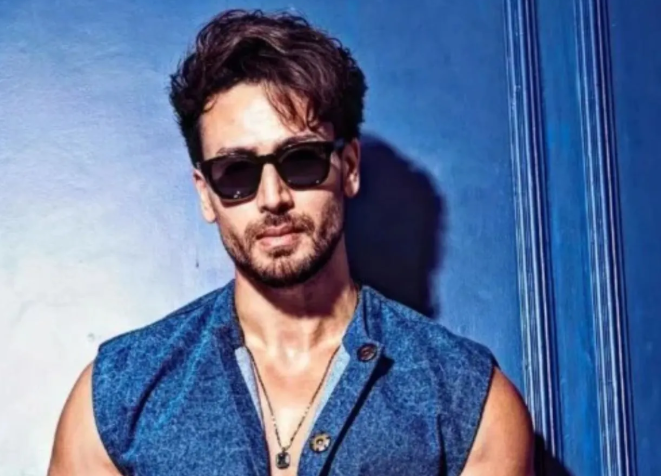
MUMBAI, Oct 20: The firing incident involving Bollywood actor Tiger Shroff has raised fresh concerns about the safety of film industry professionals after Mumbai Police arrested three suspects in connection with the attack and began investigating the circumstances surrounding the shooting.
The incident occurred in Mumbai’s Juhu area on Sunday evening, October 18, when gunmen allegedly opened fire at a vehicle associated with the actor. Shroff escaped without life-threatening injuries, while his driver and a bystander were reported injured. The attack triggered a police operation spanning several locations and prompted public reactions from actors, industry organisations and political leaders.
By Monday, October 19, police had detained three suspects in Rajasthan’s Kota city and were arranging their transfer to Mumbai for further investigation. Investigators were examining the route allegedly taken by the suspects after the shooting, CCTV footage, forensic evidence and possible links to individuals who claimed responsibility for the attack on social media.
The motive behind the incident had not been conclusively established in the police updates available on October 19. Authorities cautioned against treating unverified online claims as confirmed evidence and said further questioning would be necessary to determine the circumstances and any wider conspiracy.
Police trace suspects across states
According to reports published on October 19, investigators traced the alleged attackers’ movements from Mumbai towards Rajasthan, with Surat identified as part of the suspected escape route.
The suspects allegedly abandoned a motorcycle in Mumbai before using other forms of transport to continue their journey. Police tracked their movements and detained them aboard the Pune-Jaipur Express in Kota.
Investigators said the operation involved coordination between Mumbai Police and authorities in Rajasthan. Reports indicated that the suspects had planned to travel onwards through Delhi and potentially leave the country through Nepal, although the details and intended destination remained part of the investigation.
Mumbai Police had formed multiple teams to pursue the case, combining local officers and Crime Branch personnel. Officials were examining available CCTV footage, gathering statements and reviewing evidence collected from the scene.
Police also said the three suspects had been taken into custody for further proceedings. The case required investigators to establish each person’s alleged role, identify the source of the weapon and determine whether other individuals had participated in planning or facilitating the attack.
The arrests marked a significant development in the immediate investigation, but they did not resolve the central questions surrounding the shooting. Authorities still needed to establish the motive and verify any claimed links to organised criminal networks.
Actor escapes serious harm, two people injured
The incident has drawn attention to the risks faced by people near high-profile public figures, particularly when an attack takes place in a busy residential or commercial neighbourhood.
Shroff was reported to have escaped without serious injury, but his driver and a bystander were hurt during the firing. The bystander received medical treatment and was described in reports on October 19 as being in a stable condition under observation.
The incident caused concern among residents and people working in the surrounding area. It also raised questions about how an armed attack could take place near an actor’s vehicle and what additional measures may be required to protect both public figures and members of the public.
Police investigators were examining the vehicle and the scene as part of the evidence-gathering process. Forensic examination and ballistic analysis are important in determining the number of rounds fired, the type of weapon involved and whether recovered evidence can be linked to the suspects.
The police investigation also involves reconstructing the sequence of events, from the attackers’ arrival at the location to their departure after the shooting.
Such details can help authorities determine whether the incident was planned in advance, whether the suspects had assistance and whether the attack was connected to any earlier threats.
Political leaders assure actor of protection
Maharashtra Chief Minister Devendra Fadnavis condemned the incident and said the authorities were pursuing the people responsible. He assured Shroff that the government would work to ensure his safety and said investigators were following important leads.
The state’s response also included efforts to coordinate with authorities outside Maharashtra where necessary. The suspected movement of the accused across state boundaries underlined the importance of inter-state cooperation in investigations involving organised crime.
Deputy Chief Minister Eknath Shinde also met the actor following the incident and expressed support for him and his family. Shinde condemned the shooting and said threats against public figures would not be tolerated.
The statements came amid broader public discussion about security arrangements for actors and other prominent individuals. Such protection can involve threat assessments, coordination with police, surveillance of vulnerable locations and arrangements for responding to credible warnings.
However, the appropriate level of security depends on the circumstances of each case. Investigators had not publicly established all the details surrounding the motive for the attack, making it important to distinguish confirmed information from speculation.
Film industry voices demand stronger action
The shooting prompted reactions from several members of the entertainment industry, with some calling for stronger measures to prevent similar incidents.
The All Indian Cine Workers Association expressed concern over the attack and demanded action against those responsible. The organisation argued that the safety of actors and other film professionals required serious attention from the authorities.
Actor Vidyut Jammwal also reacted publicly, urging the police to ensure that such an incident did not recur. Other industry figures expressed support for Shroff and called for a thorough investigation.
The reactions reflected concern that threats and violence directed at celebrities can have consequences beyond the individual target. Film productions involve actors, directors, technicians, drivers, support staff and other workers who may be exposed to security risks when threats affect a prominent personality.
Industry organisations have an interest in ensuring that members can travel to workplaces, attend events and carry out professional commitments without fear of targeted violence.
At the same time, the case has highlighted the need for any response to be based on verified evidence and effective policing. Public statements by individuals claiming responsibility for an attack cannot independently establish who ordered or carried it out. Such claims require corroboration through evidence collected by investigators.
Alleged gang links under investigation
The incident attracted additional attention after individuals described in media reports as alleged operatives associated with gangster Lawrence Bishnoi claimed responsibility for the attack through social media posts.
Police officials said that online claims and information circulating on social media were being examined, but cautioned that the investigation was ongoing. At the time of the October 19 updates, the motive had not been conclusively established.
The possibility of organised criminal involvement is an important line of inquiry because it could affect the investigation’s scope. Authorities may need to examine communications, financial transactions, contacts between suspects and other individuals, and any evidence suggesting that the attack was commissioned or supported by people who were not physically present.
Investigators also need to distinguish between those allegedly involved in carrying out an attack and individuals who may have assisted with logistics, financing or planning.
If a wider network is suspected, police may investigate whether other threats or incidents are connected. Such conclusions, however, require evidence rather than assumptions based on a social media statement.
The suspects’ alleged travel arrangements and contacts are likely to form part of the inquiry into whether the shooting was an isolated act or connected to a broader criminal operation.
Security concerns extend beyond individual celebrities
The attack has renewed debate about the security arrangements available to people in the entertainment industry. High-profile actors often have predictable professional schedules, public appearances and residential locations, which can create potential vulnerabilities if information is misused.
Security planning may involve reviewing travel routes, limiting the public disclosure of sensitive movements, assessing threats and coordinating with local police. Where specific and credible risks exist, authorities can consider suitable protective arrangements.
However, the incident also demonstrates that security concerns extend to bystanders and workers who have no direct role in the public life of a celebrity. A shooting in a residential neighbourhood can endanger drivers, pedestrians, local businesses and residents.
Any effective response must therefore address public safety alongside the protection of the intended target. Swift emergency medical care, prompt reporting, preservation of evidence and cooperation from witnesses can all assist an investigation.
The police response in the Shroff case involved efforts to trace suspects beyond Mumbai, illustrating how modern investigations can depend on coordination between jurisdictions and the use of transport records and surveillance footage.
At the same time, arresting suspects is only one part of the process. Investigators must gather admissible evidence, establish individual responsibility and present the findings through the legal system.
Investigation continues as industry awaits answers
The immediate priority for Mumbai Police is to establish what happened, determine the motive and identify everyone who may have played a role in the attack.
Investigators are expected to examine forensic findings, statements from the injured people and witnesses, the suspects’ movements and any communications relevant to the case. They will also need to assess the credibility of alleged criminal links and determine whether any threats preceded the incident.
The arrest of three suspects in Kota represented an important step, but further questioning and evidence collection remained necessary as of October 19. The legal process will determine the allegations against each accused and the evidence that can be presented in court.
For the film industry, the incident has become a reminder that professional visibility can bring security challenges that require careful planning and cooperation with law enforcement. Calls for stronger protection are likely to continue as the investigation develops.
For residents and other members of the public, the concern is equally direct: a targeted attack in a busy urban area can place people who have no connection to the dispute at risk.
The case has therefore become more than a celebrity news story. It has raised questions about the prevention of targeted violence, the reach of criminal networks and the ability of authorities to respond quickly when public safety is threatened.
As police continue their investigation, the focus remains on establishing verified facts, ensuring the safety of those affected and bringing any individuals found responsible before the law.

