


Time-Bound Inquiry into Fire Incident
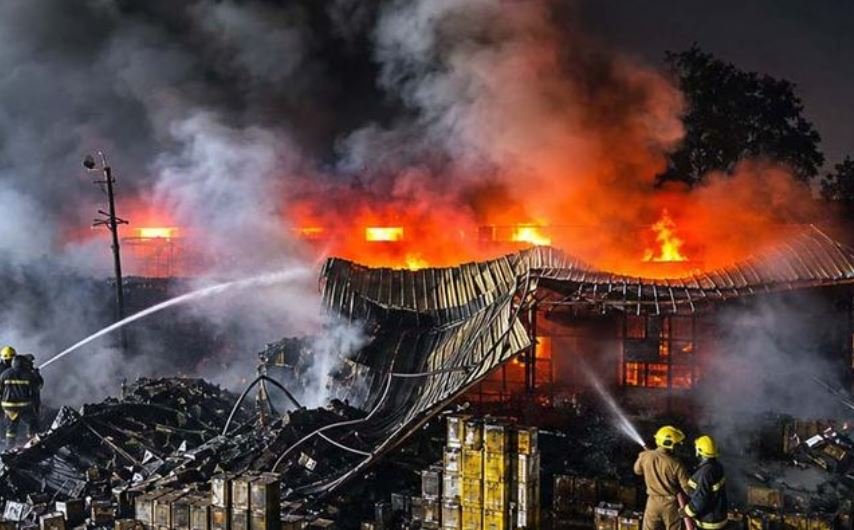
Every fire leaves behind questions that extend beyond the immediate damage to property. It reminds society of the importance of preparedness, the value of human safety and the responsibility of public institutions to anticipate risks before they become emergencies. The November 8 fire at the warehouse in Jammu’s Nehru Market has brought these concerns into focus. Lieutenant Governor Manoj Sinha’s decision to constitute a high-level inquiry committee and seek its report within 15 days is a welcome step towards establishing the facts and ensuring accountability. Beyond determining the circumstances of this particular incident, the inquiry offers an opportunity to strengthen fire safety standards and encourage a more preventive approach to public safety across Jammu and Kashmir.
The committee, comprising Inspector General Jammu Tejinder Singh and Divisional Commissioner Jammu Vikas Kundal, has been entrusted with examining the causes of the incident, identifying possible lapses and fixing responsibility wherever negligence is established. The time-bound investigation reflects the importance of addressing public concerns promptly. However, the real value of such an exercise will depend upon the fairness of its findings and the willingness to translate relevant recommendations into practical improvements. Jammu’s commercial markets and warehouses represent much more than centres of trade. They sustain thousands of livelihoods, support small businesses and connect local economic activity with wider regional markets. Behind every commercial establishment are workers, traders, transporters and families whose financial security depends upon its continued functioning. Protecting these spaces is therefore not merely a regulatory requirement but an important responsibility towards economic stability and community well-being. The Nehru Market incident also encourages reflection on the changing requirements of urban safety. As commercial activity expands, the need for dependable electrical installations, properly maintained firefighting equipment, safe storage arrangements and unobstructed emergency access becomes increasingly important. These are general preventive considerations, not conclusions about the cause of the warehouse fire, which remains subject to investigation. Their importance nevertheless extends to commercial establishments throughout Jammu and Kashmir. One issue deserving closer attention is the difference between formal compliance and actual preparedness. A building may possess the necessary documents, yet effective safety depends upon regular inspections, functional equipment and people who understand what to do when an emergency occurs. Public confidence grows when safety arrangements are visible, reliable and routinely maintained rather than examined only after an unfortunate incident. Equally important is the relationship between regulatory authorities and commercial communities. Traders should be encouraged to regard fire safety as an investment in business continuity rather than an additional administrative burden. Local business associations can play a constructive role by organising awareness programmes, encouraging periodic safety assessments and supporting smaller establishments that may lack adequate technical knowledge or financial resources. The administration, meanwhile, can strengthen preventive governance through coordinated inspections, transparent procedures and clearly defined institutional responsibilities. Safety regulations become more effective when enforcement is consistent, guidance is accessible and corrective measures are practical. A cooperative approach, supported by firm accountability where necessary, can produce more sustainable results than occasional campaigns undertaken in response to emergencies. For Jammu and Kashmir, where expanding commercial activity must coexist with geographical challenges and varying infrastructure conditions, the importance of preparedness cannot be overstated. Strengthening emergency response capabilities, improving public awareness and incorporating safety considerations into urban development would contribute to safer and more resilient communities.
The most meaningful outcome of the Nehru Market inquiry would be a renewed commitment to prevention. Its findings should guide a time-bound review of vulnerable commercial premises, regular fire safety training, improved emergency access and transparent monitoring of corrective measures. Government agencies, traders and citizens must recognise that safety is a shared responsibility requiring attention throughout the year. Ultimately, the strength of public administration is reflected not only in how swiftly it responds to an emergency, but in how wisely it learns from one. If the lessons of this incident encourage lasting improvements, they can help protect livelihoods, strengthen commercial confidence and make Jammu and Kashmir a safer place for generations to come.

