


Traditional Skills, Modern Opportunities
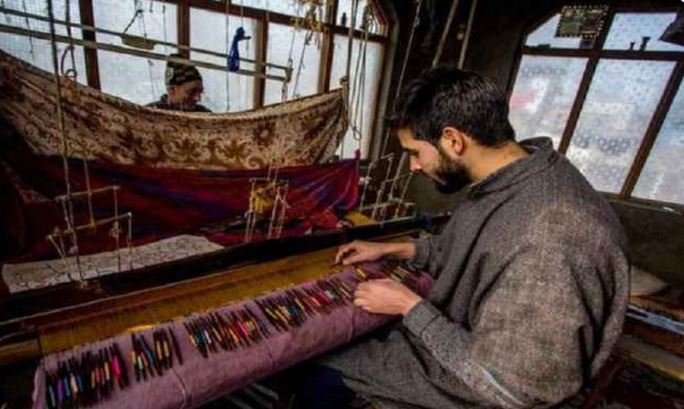
Kashmir’s handicrafts are admired across the world for their beauty, detail and cultural depth, but admiration alone cannot secure the future of the sector. The real challenge is to ensure that traditional skills continue to provide dignified incomes, attract younger generations and compete successfully in modern markets. The Craft MBA programme at the Craft Development Institute is therefore a timely initiative, but its success will depend on how effectively education is connected with enterprise, finance and market access.
The Government’s decision to reimburse the full tuition fee for eligible candidates from artisan and weaving families deserves appreciation. For many families, the cost of higher education can be a serious barrier. By easing that burden, the initiative gives young people from traditional craft backgrounds a chance to acquire professional skills without being forced to step away from their heritage. The course also addresses a long-standing weakness in the craft economy. Kashmir has no shortage of skilled artisans, but many producers remain weak in areas such as branding, pricing, packaging, digital marketing, business planning and export readiness. This gap often means that the creator of the product earns far less than the value ultimately generated in the market. That imbalance must change. Artisans should not remain confined to the production end of the value chain while others capture the benefits of marketing and branding. Professional education can help younger members of artisan families understand how to build businesses, negotiate with buyers, use digital platforms and develop products for changing consumer preferences. The proposed startup launch pad is therefore an important idea, but it should be developed with seriousness. A degree alone will not create successful enterprises. Graduates with viable business plans will need mentoring, working capital, incubation, market connections and continued professional support during the difficult early years of enterprise development. The Government should also connect such graduates with artisan clusters, exporters, e-commerce companies, banks, design institutions and tourism platforms. If young professionals are trained but left to find markets and finance on their own, much of the potential of the programme could be lost. Another concern is the declining interest of some younger people in traditional occupations. This should not be addressed merely by appealing to emotion or heritage. Young people will remain connected with crafts when the sector offers respectable earnings, professional growth and a realistic future. The strongest way to preserve craftsmanship is to make it economically rewarding. Women deserve particular attention in this process. A large part of craft production depends on their skill and labour, yet many remain outside formal ownership, branding and business decision-making. Management education, easier finance and enterprise support can help more women move from invisible production roles to visible leadership and ownership. Digital markets offer another major opportunity. Kashmir’s crafts can now reach customers directly across India and abroad, but online success requires more than uploading photographs. Quality assurance, credible certification, strong storytelling, professional presentation, reliable logistics and protection against imitation are essential. The Government and the Handicrafts Department have taken a positive step by linking professional education with craft entrepreneurship. The next phase should be more ambitious and outcome-driven. Success should be measured by the number of viable enterprises created, traditional businesses modernised, jobs generated, women entrepreneurs supported and craft brands reaching wider markets.
Kashmir’s craft economy does not need to abandon tradition to become modern. It needs to give tradition the tools to compete. If professional education, finance, technology and market access are brought together effectively, the Craft MBA programme can help create a new generation of entrepreneurs who preserve heritage not simply by inheriting it, but by making it stronger, more profitable and globally relevant.

