


Trump Claims Iran Allowed 20 Oil Tankers Through Hormuz as ‘Gesture of Respect’
US President points to oil shipments as tensions, negotiations and market volatility unfold
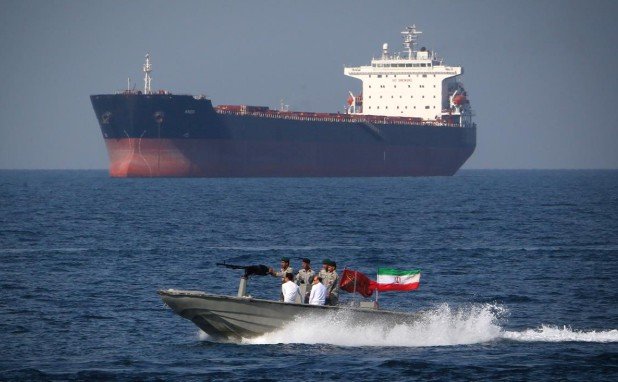
US, Mar 30 : Donald Trump has highlighted a significant rise in oil tanker movement through the Strait of Hormuz, stating that Iran has allowed around 20 vessels to pass as what he described as a “sign of respect.” According to him, the number of ships increased from an expected eight to ten, before doubling further, with large oil carriers scheduled to transit the vital route over the coming days.
Speaking on the broader situation, Trump said the United States is progressing positively in its negotiations with Iran, though he cautioned that diplomatic engagements can shift unpredictably. He pointed out that discussions in the past have sometimes escalated into military responses, indicating that uncertainty still surrounds the outcome of the current dialogue.
Referring to earlier US actions, the President reiterated his criticism of the nuclear agreement brokered under Barack Obama, calling it ineffective and asserting that its termination, along with strategic military deployments, prevented Iran from advancing its nuclear ambitions. He also noted recent military activity involving US forces, claiming multiple targets had been struck as part of ongoing operations.
Trump further remarked that Iran’s internal leadership dynamics have changed significantly, suggesting that the current administration in Tehran represents a departure from previous regimes. He emphasized that Washington is now engaging with a different set of decision-makers compared to earlier negotiations.
On the ground developments, Trump described the day as significant, citing continued military involvement by US naval and air units alongside diplomatic outreach. He also referred to large volumes of oil shipments as part of the evolving engagement between the two sides.
Beyond West Asia, the President turned attention to Cuba, warning of potential US involvement amid its ongoing economic challenges, and signaling that Washington is closely monitoring the situation.
Meanwhile, the surge in tanker traffic through Hormuz underscores persistent risks to global energy supply chains. With disruptions affecting availability, crude prices have surged sharply, leading to increased fuel costs and supply concerns across international markets.

