


Trump Offers Iran Sanctions Relief, Access to Frozen Funds for Nuclear Progress
Washington signals possible economic concessions if Tehran demonstrates measurable movement on nuclear commitments, while indirect talks continue through Qatar and Pakistan.
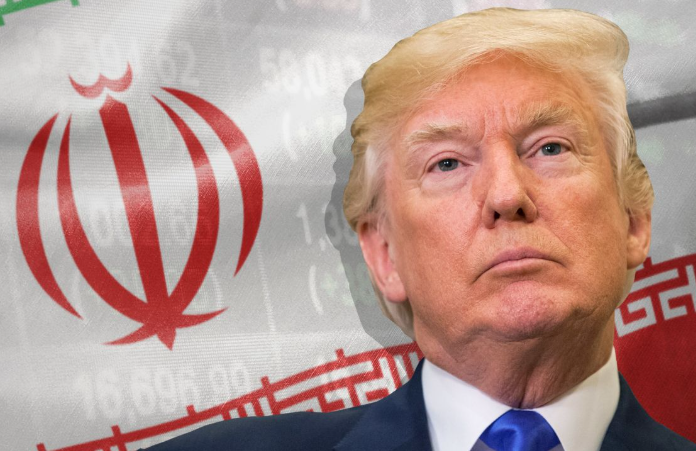
Washington DC: US President Donald Trump is prepared to consider sanctions relief and the release of frozen Iranian funds under a final agreement, but Tehran must first demonstrate “concrete progress” on the nuclear issue, a US official told CNN on Monday.
The remarks came as mediators worked to revive negotiations between Washington and Tehran amid continuing tensions over Iran’s nuclear programme and the Strait of Hormuz.
The US official said Washington was engaged in “positive and constructive discussions through the mediators”, while stressing that any agreement would depend on progress toward resolving nuclear-related concerns.
Trump had rejected Iran’s latest proposal concerning the reopening of the Strait of Hormuz on Saturday, describing the offer as “unacceptable”. A day later, he told Axios that he expected further discussions with Iran during the week.
The American side’s talks are being led by Special Envoy Steve Witkoff, Jared Kushner, Vice President JD Vance and Secretary of State Marco Rubio, according to the official.
Trump, however, rejected the characterization that his administration had offered Tehran concessions. In a post on Truth Social on Monday, he wrote, “I offered them nothing!”
“They want to make a deal, but it is not the deal that I want to make,” Trump said on Sunday, adding that Iran’s position was similar to an arrangement Washington might have considered a year earlier.
According to the US official, Tehran has signalled some flexibility on nuclear matters, but Washington and Tehran remain divided over when specific commitments would have to be implemented.
Iranian Foreign Minister Abbas Araghchi said Monday that Tehran had conducted additional indirect discussions with Washington through Qatari mediators in New York. He said Iran was waiting for an official response from the US, which he hoped would arrive by Tuesday.
Araghchi said his visit during the 81st United Nations General Assembly was focused on presenting Iran’s position on regional tensions and the security situation surrounding the Strait of Hormuz.
He maintained that Tehran had submitted what it described as a fair and practical proposal for resolving the crisis and restoring access through the strategic waterway, subject to certain conditions.
“Our mission was to communicate these conditions to the American side as well as to all other nations, ensuring the international community is aware that Iran has a plan in this regard,” Araghchi said, according to Al Jazeera.
The Iranian foreign minister said Qatari mediators had delivered fresh suggestions intended to reduce differences and help implement Tehran’s proposal. Those ideas were subsequently being communicated to Washington.
Araghchi also acknowledged that messages had regularly been exchanged through Qatari and Pakistani intermediaries, but said the process had become more significant following Iran’s latest proposal.
Trump confirmed earlier Monday that US officials had been in contact with mediators regarding Iran. Speaking to reporters at the Oval Office, he acknowledged the discussions but did not provide details.
Iranian state media, as cited by Al Jazeera, reported that Araghchi was due to meet mediators in New York to review the latest proposals and developments in relations between Tehran and Washington.
The diplomatic activity followed a visit by a Qatari delegation to the United States last week, during which Iranian proposals concerning the Strait of Hormuz were presented to American officials.
During the UN General Assembly, Araghchi had proposed a seven-day framework under which Iran would reopen the Strait of Hormuz if Washington met specified conditions. Tehran said the initiative was communicated through intermediaries and connected the reopening of the waterway with steps including a reduction in US military pressure.
Washington rejected the proposal, according to US Ambassador to the United Nations Mike Waltz. He said Tehran had sought sanctions relief and access to billions of dollars in frozen assets before negotiations on its nuclear programme.
Waltz said the United States would eventually need some form of agreement with Iran but stressed that Trump would continue to keep all options available.
The US official also repeated Washington’s concerns over Iran’s commitments, citing an alleged violation of a US-Iran memorandum of understanding reached in July involving attacks on commercial vessels.
Araghchi challenged that description, arguing that Waltz had not seen the Iranian proposal himself.
The Iranian foreign minister said Tehran remained committed to diplomacy while also preparing for the possibility that hostilities could resume.
The Strait of Hormuz therefore remains a major issue in the wider confrontation. Iran has linked the waterway’s reopening to an agreement with Washington, while the United States has rejected Tehran’s latest conditions.
The latest discussions in New York were focused on proposals and messages exchanged through mediators rather than direct negotiations between American and Iranian officials.

