


Trump Proposes $100,000 H-1B Visa Fee, Raising Concerns for Indian Tech Workers
New policy seeks to protect American jobs and raise billions, but could hit Indian tech workers hardest.
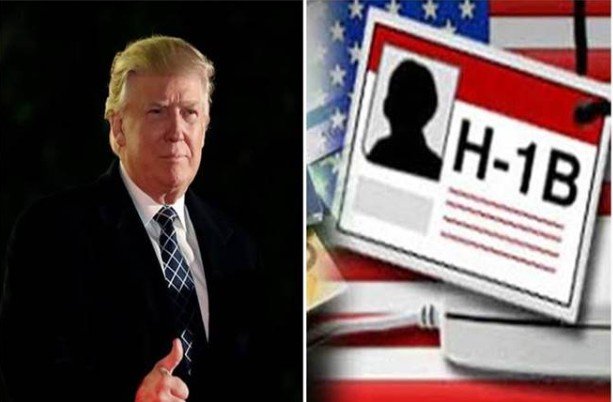
New York/Washington, Sept 20: In a move that could drastically affect Indian professionals in the United States, President Donald Trump on Friday signed a proclamation mandating an annual fee of USD 100,000 for H-1B visas. The administration said the measure is aimed at curbing abuse of the system, protecting American workers, and ensuring that only “extraordinary talent” is brought into the country.
White House staff secretary Will Scharf described the H-1B programme as “one of the most abused visa systems,” intended originally for highly skilled labour in fields where U.S. workers were unavailable. Commerce Secretary Howard Lutnick argued that past policies admitted low-income workers, while the new fee will ensure only top-tier professionals enter.
Trump said the initiative will not only safeguard American jobs but also generate over USD 100 billion in revenue for the U.S. Treasury, which would be used to cut taxes and reduce national debt. “We need great workers, and this ensures that’s what’s going to happen,” he said while signing the proclamation.
The H-1B visas, typically issued for three years and renewable for another three, are heavily used by Indian technology professionals. However, with the new USD 100,000 annual cost, companies may hesitate to retain employees, particularly given the long delays Indian workers face in securing permanent residency.
“This is about ensuring companies train and hire Americans first,” Lutnick said, adding that businesses would now think twice before sponsoring foreign workers.
Alongside the fee hike, Trump also unveiled the ‘Gold Card’ visa programme, offering expedited Green Card access to individuals of “extraordinary ability” willing to invest USD 1 million personally or USD 2 million through a corporation.
While the administration claims U.S. tech firms support the measure, industry watchers fear it could severely disrupt the talent pipeline from India, which forms the largest share of H-1B applicants.

