


Trump Says Patience With Iran Wearing Thin After Talks With China’s Xi
US President says patience is fading as shipping disruptions, stalled nuclear negotiations and fresh maritime incidents deepen regional uncertainty.
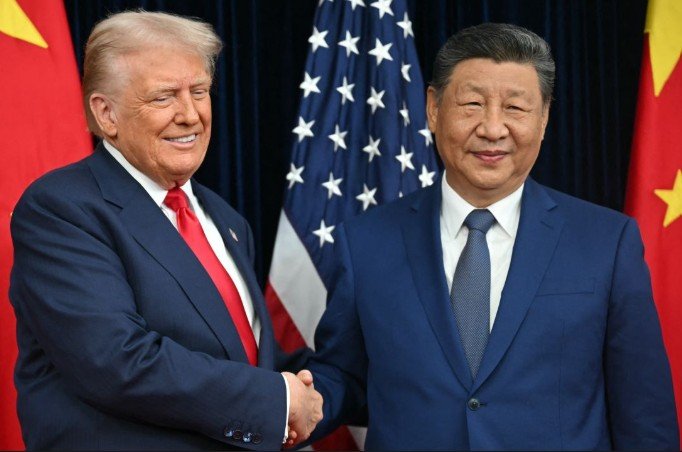
WASHINGTON, May 15: U.S. President Donald Trump said his patience with Iran was “running out” after discussions with Chinese President Xi Jinping amid rising tensions in the Strait of Hormuz and renewed concerns over global energy supplies.
Speaking during an interview on Fox News’ “Hannity,” Trump urged Tehran to reach an agreement with Washington as negotiations over Iran’s nuclear programme remain deadlocked.
“I am not going to be much more patient. They should make a deal,” Trump said.
The White House said Trump and Xi agreed during talks in Beijing that the Strait of Hormuz must remain open for international shipping. The crucial waterway has faced severe disruption since Iran moved to restrict maritime traffic following U.S.-Israeli strikes launched earlier this year.
China, one of Iran’s closest partners and the largest buyer of its oil, reportedly opposed any militarisation of the strait or attempts to impose transit charges on vessels using the route.
Trump also claimed Xi assured him that Beijing would not provide military equipment to Iran, describing it as a “big statement.”
The remarks came as fresh security incidents were reported in Gulf waters. An Indian cargo vessel transporting livestock from Africa to the UAE sank off the coast of Oman after reportedly being struck by a missile or drone. India said all 14 crew members were rescued safely by the Omani coast guard.
Separately, British maritime authorities reported that unidentified personnel boarded a ship anchored near Fujairah port in the UAE and redirected it toward Iran. A maritime security advisory firm said Iranian personnel were believed to have seized the vessel.
The Strait of Hormuz, through which nearly one-fifth of global oil and liquefied natural gas supplies moved before the conflict, remains under close international watch. While shipping traffic has slightly increased in recent days, maritime activity is still far below normal levels.
Iran has reportedly allowed limited passage for selected vessels after negotiations with several countries. Japanese and Chinese tankers were among the ships that recently crossed the strait under special arrangements, according to regional reports.
Diplomatic efforts between Washington and Tehran remain stalled after both sides rejected recent proposals aimed at ending the conflict. The United States continues to demand restrictions on Iran’s uranium enrichment programme, while Tehran seeks sanctions relief, compensation for war-related damage and recognition of its authority over the strategic waterway.
Trump said the objectives of the military campaign were to weaken Iran’s nuclear capabilities and reduce threats to regional stability. A senior U.S. naval commander told lawmakers that Iran’s ability to threaten neighbouring countries and American interests had been “significantly degraded.”
Despite the sustained military pressure, Iran’s leadership remains firmly in control domestically, while the closure of the Strait of Hormuz has strengthened Tehran’s leverage in ongoing negotiations.

