


Trump’s Iran Strike May Strengthen His Position Ahead of Talks With China’s Xi
Trump-Xi Meeting Amid Iran Conflict May Reshape US-China Power Dynamics
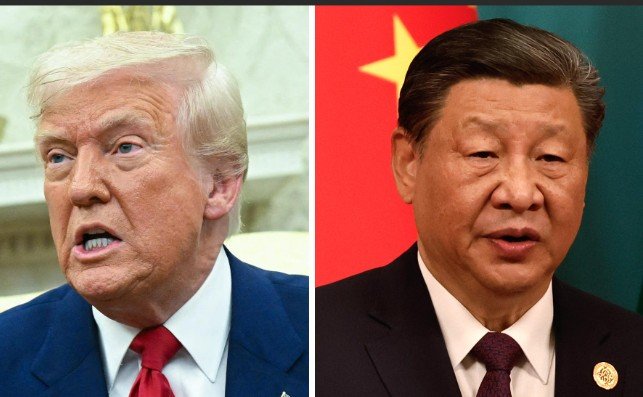
Washington/Beijing: The planned meeting between US President Donald Trump and Chinese President Xi Jinping later this month is unfolding against the backdrop of dramatic geopolitical developments, including Washington’s recent military operations in Venezuela and Iran.
Trump is expected to travel to Beijing from March 31 to April 2, although Chinese authorities have yet to formally confirm the summit dates. The visit follows a high-risk US operation in Caracas in January and joint US-Israeli airstrikes that killed Iran’s Supreme Leader Ayatollah Ali Khamenei moves that have reshaped strategic calculations ahead of the anticipated talks.
Shifting Leverage Before Trade Talks
The Trump-Xi meeting amid Iran conflict comes at a time when both leaders face complex domestic and international pressures. Only weeks ago, Trump appeared politically weakened after a US Supreme Court ruling struck down several of his tariffs. However, recent military actions have altered the diplomatic landscape, potentially shifting leverage before discussions expected to focus heavily on trade.
Beijing has condemned the strikes as unacceptable and urged restraint, but its response has remained measured. Analysts say this reflects both limited capacity to influence US military decisions and a pragmatic approach to its international partnerships.
For Xi, proceeding with the summit could signal confidence, though it risks appearing conciliatory in the wake of actions that have targeted governments seen as close to China. Alternatively, postponing the meeting may carry diplomatic costs.
Energy Risks and Strategic Exposure
China is particularly vulnerable to disruptions stemming from the Iran conflict. As the world’s largest importer of Iranian oil, it sourced 13.4 percent of its seaborne crude imports from Iran last year. Any instability affecting supply routes, especially through the Strait of Hormuz, could increase energy prices and strain China’s manufacturing driven economy.
Beyond energy security, the US strikes underscore Washington’s global military reach. Chinese analysts argue that regime shifts in countries aligned with Beijing could weaken its geopolitical positioning and potentially allow the US to exert greater influence over global energy markets.
Limited Prospect of Direct Confrontation
US officials have indicated they do not anticipate China providing material support to Iran during the current operations. While concerns remain about munitions stockpiles and longer-term deterrence in the Indo-Pacific particularly regarding Taiwan Washington appears to believe Beijing will avoid direct involvement.
Observers suggest China may instead allow the US to bear the strategic and economic consequences of prolonged Middle East instability, reinforcing its narrative that American interventions contribute to global disorder.
As preparations for the high-stakes diplomatic engagement continue, uncertainty remains over whether the summit will proceed as planned—and if it does, how the unfolding crisis will shape the tone and outcomes of US-China negotiations.

