


Trump’s Midterm Strategy Diverges From House Republicans’ Game Plan
President pushes voting restrictions bill while GOP leaders emphasise economic issues ahead of elections
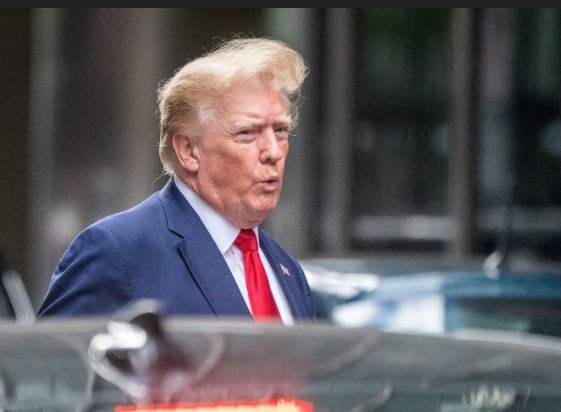
Washington: A difference in priorities is emerging within the Republican Party ahead of the upcoming midterm elections, with President Donald Trump advocating a strong push for voting law changes while House Republican leaders focus on economic issues to appeal to voters.
Speaking to Republican lawmakers at his golf resort near Miami earlier this week, Trump said expanding the national voter identification law by banning mail ballots and restricting transgender rights would help ensure the party’s success in the midterms. He urged lawmakers to pass the legislation, now referred to as the SAVE America Act, claiming it would secure Republican victories.
However, when House Republican leaders outlined their priorities the following day, the voting bill was not among their main talking points.
House GOP Conference Chair Lisa McClain highlighted policies aimed at lowering costs for families, boosting domestic energy production and expanding financial initiatives such as “Trump accounts” for newborns. Majority Leader Steve Scalise also stressed measures intended to make life more affordable for working households.
House Majority Whip Tom Emmer echoed a similar message, pointing to tax relief efforts and other policies that he said would help families keep more of their earnings.
As Republican lawmakers wrap up their annual policy conference, the differing approaches have highlighted a strategic gap within the party. With a narrow majority in the House, GOP leaders appear eager to focus on economic concerns that resonate with voters, while Trump has prioritised election-related legislation.
The situation has been further complicated by rising fuel prices following US military action against Iran, an issue that has diverted attention from the party’s economic messaging. House Speaker Mike Johnson described the increase in gas prices as a temporary development.
Trump’s proposed voting legislation is rooted in his long-standing claim that the 2020 presidential election was unfair, an assertion rejected by multiple courts and former administration officials.
At the same time, the president has warned that he may refuse to sign other legislation unless Congress passes the voting bill, a move that could slow down lawmaking at a crucial time before the elections.
Passing the measure could prove difficult. The House has already approved an earlier version of the bill, meaning further changes would require additional legislative action. In the Senate, Republicans are struggling to advance the proposal without Democratic support.
Despite the challenges, Speaker Johnson insisted that there was no disagreement between the White House and Republican lawmakers, saying the party remained aligned with Trump’s agenda.
Meanwhile, Johnson has attempted to shift political attention toward Democrats, particularly over the shutdown of the Department of Homeland Security, which has reportedly led to longer security lines at some airports.
Republicans have also sought to remind voters of economic concerns during the previous administration, frequently citing inflation and border issues under former President Joe Biden.
However, polling suggests that many Americans remain primarily concerned about everyday economic challenges such as rising costs and personal finances rather than changes to voting laws.
As the midterm elections approach, the Republican Party now faces the challenge of balancing Trump’s policy priorities with the economic messaging that many lawmakers believe will resonate more strongly with voters.

