


Two VLCCs Clear Strait of Hormuz as Shipping Traffic Stays Sparse
Oil supertankers carrying Saudi and Iraqi crude complete transit while Gulf maritime traffic stays subdued
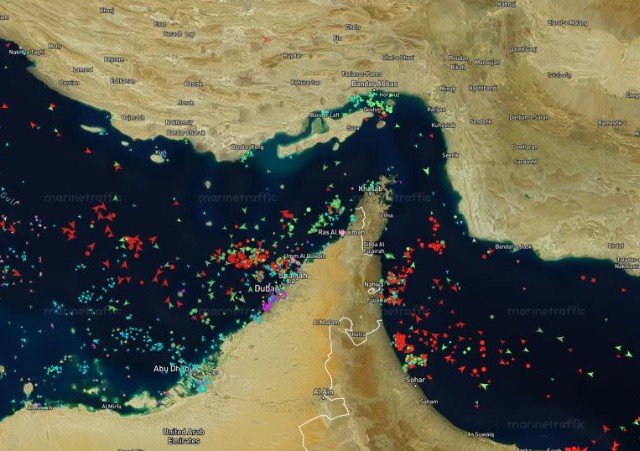
Singapore, Aug. 1: Two very large crude carriers (VLCCs) transporting nearly 4 million barrels of crude oil successfully exited the Strait of Hormuz on Friday, even as commercial shipping through one of the world’s busiest energy corridors remained relatively light, according to vessel tracking data.
The two supertankers, Spain B and Noble, were among only four commodity vessels that completed passage through the strategic waterway during the day. All four ships safely cleared the strait, reflecting continued but limited movement of commercial traffic.
The Spain B is carrying approximately two million barrels of Saudi crude loaded at Ras Tanura on July 12 and is currently anchored off Fujairah in the United Arab Emirates. The Noble, loaded with around two million barrels of Iraqi Basrah crude on July 25, is en route to China.
Shipping data indicated that vessel movement through the Strait of Hormuz remained subdued compared with normal levels. On Thursday, only three commodity vessels had transited the route, highlighting the cautious pace of maritime operations in the region.
In a separate development, PetroChina has provisionally chartered the VLCC Jamaica Prosperity to transport crude from Iraq’s Basrah export terminal to China, with loading expected around August 3, according to shipping market sources. The company has not commented on the reported charter.
Activity at another critical maritime chokepoint, the Bab el-Mandeb Strait, was comparatively stronger. A total of 29 commodity vessels passed through the passage on Thursday, including multiple crude tankers such as VLCCs, Suezmax, and Aframax vessels, underlining continued shipping operations between the Red Sea and the Gulf of Aden.
Industry observers note that vessel-tracking figures may not capture every ship in transit, as some operators temporarily disable transponders during sensitive voyages. Even so, current traffic data suggest energy shipments are continuing through key regional waterways despite reduced overall vessel movement.

