


US Announces Naval Blockade of Iranian Ports After Ceasefire Talks Collapse
Tensions surge in the Strait of Hormuz as Washington scales back full closure plan but targets Iran bound maritime traffic
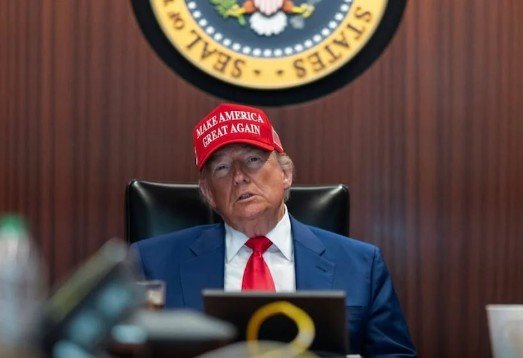
ISLAMABAD, Apr 13: The United States has announced a naval blockade targeting Iranian ports following the collapse of ceasefire negotiations with Iran, escalating tensions in the strategically vital Strait of Hormuz.
US President Donald Trump stated that the US Navy would begin enforcing restrictions on vessels linked to Iran after talks held in Pakistan failed to produce an agreement. The blockade, confirmed by U.S. Central Command, is set to take effect Monday and will apply to ships entering or leaving Iranian ports.
While the move stops short of a complete shutdown of the strait, it allows maritime traffic between non-Iranian ports to continue. This adjustment follows earlier threats of a full blockade, indicating a calibrated approach aimed at limiting disruption to global shipping lanes while maintaining pressure on Tehran.
The Strait of Hormuz, a critical corridor for global energy supplies, previously handled nearly 20% of worldwide oil shipments before the conflict intensified. Although limited shipping activity has resumed since the ceasefire, the announcement has already impacted global markets, with crude oil prices recording sharp increases.
In response, Iran’s Islamic Revolutionary Guard Corps asserted that the waterway remains under its control and warned of strong retaliation against any military presence. Iranian officials maintained that civilian maritime movement remains unaffected but issued stern warnings regarding foreign naval operations.
During the extended negotiations, US naval activity in the region increased, with reports of destroyers entering the strait ahead of potential mine clearing missions claims that Iran has disputed.
Security analysts, including Andreas Krieg, questioned the practicality of enforcing such a blockade, suggesting limited military leverage in compelling Iran to concede.
The breakdown in talks was largely attributed to disagreements over Iran’s nuclear programme, with Washington reiterating its hardline stance. Meanwhile, Iranian leadership signaled readiness to respond firmly to any escalation, underscoring the fragile state of the ceasefire and the risk of renewed confrontation.

