


US-China Summit Dominates Global Diplomacy Amid Iran War Concerns
Historic Beijing meeting between Donald Trump and Xi Jinping reshapes global trade, security and Middle East diplomacy
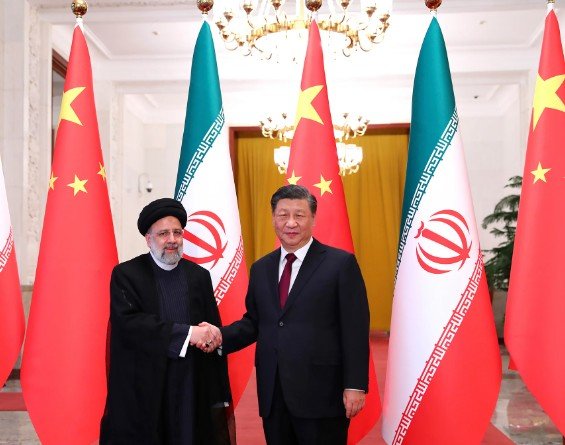
US, May 14 : Beijing emerged as the centre of global diplomacy on May 13 and 14, 2026, as United States President Donald Trump and Chinese President Xi Jinping began a high-stakes summit aimed at easing growing geopolitical tensions and stabilising the global economy. The summit, described by international observers as one of the most important diplomatic engagements of the decade, comes at a time when the world faces simultaneous crises involving the Iran conflict, strained trade relations, energy instability and concerns over Taiwan.
The meeting drew attention from governments, global investors and security analysts across continents. Both leaders entered the talks carrying enormous political and economic pressure. For the United States, the prolonged Iran conflict has increased defence expenditure, pushed fuel prices higher and intensified criticism against the White House. China, meanwhile, continues to manage slowing economic growth and increasing scrutiny from Western nations over trade and military expansion.
The summit opened in Beijing with grand diplomatic ceremony and strong public messaging from both sides. President Trump praised Xi Jinping as a “strong and respected leader,” while Chinese officials projected the talks as a symbol of global cooperation in uncertain times. Behind the carefully choreographed public appearances, however, difficult negotiations were taking place on several sensitive subjects.
Trade remained a major focus of discussions. The United States has sought greater access for American technology, manufacturing and financial firms in Chinese markets. Washington is also pushing for fairer trade practices and stronger protection for intellectual property rights. China, on the other hand, has demanded relaxation of certain technology restrictions and tariffs that have affected Chinese exports over the last several years.
Business leaders from major American companies reportedly accompanied the US delegation, signalling the importance of commercial cooperation in the summit agenda. Technology firms, semiconductor manufacturers and aviation companies are expected to benefit if the two countries achieve even a partial agreement on trade and investment.
However, the Iran conflict overshadowed every aspect of the summit. The war has significantly disrupted global energy supply chains, especially through the Strait of Hormuz, one of the world’s most critical oil transit routes. The United States is believed to be seeking China’s assistance in encouraging Tehran to agree to a sustainable ceasefire framework.
Analysts believe China remains cautious about openly pressuring Iran because Beijing maintains strategic and economic ties with Tehran. China depends heavily on Middle Eastern energy supplies and has consistently opposed aggressive Western military intervention in the region. Nevertheless, Chinese officials acknowledged the importance of preventing further escalation.
Energy markets reacted sharply to developments surrounding the summit. Oil prices remained volatile amid fears that disruptions in Gulf shipping routes could worsen. Global investors closely monitored every statement from the two leaders, hoping diplomatic cooperation could reduce uncertainty in international markets.
Taiwan also remained one of the most sensitive issues discussed during the summit. Chinese officials reportedly reiterated Beijing’s opposition to American military support for Taiwan, while the United States defended its regional commitments and strategic partnerships in Asia-Pacific.
Experts believe neither side is likely to make dramatic concessions on Taiwan, but maintaining open communication channels is considered essential to avoiding military confrontation. Regional allies including Japan, South Korea and Australia followed the summit carefully due to its implications for Indo-Pacific security.
Political analysts described the summit as more than a bilateral meeting. Many argued it represented a test of whether the world’s two largest economies can cooperate during a period of growing fragmentation in international politics.
The summit also carried strong symbolic importance. Public ceremonies, state banquets and cultural programmes were designed to project stability and diplomatic engagement despite the tensions dominating international headlines. Officials from both countries suggested future meetings may continue later in 2026, including a possible visit by Xi Jinping to the United States.
While immediate breakthroughs remained uncertain, global markets responded positively to signs that both governments were willing to continue dialogue. Investors, diplomats and multinational corporations all recognise that prolonged confrontation between Washington and Beijing could have severe consequences for the global economy.
Security experts warned that failure to achieve diplomatic progress could deepen existing crises. Continued instability in the Middle East, rising military tensions in Asia and prolonged trade disputes could collectively slow global growth and increase geopolitical uncertainty.
For now, the Beijing summit has become a defining moment in international diplomacy during 2026. Whether the discussions ultimately lead to meaningful agreements or merely temporary stability will likely shape global politics for years to come.

