


US-China Trade Tensions Rise Over Advanced Semiconductor Restrictions
Washington expands technology controls as Beijing warns of retaliatory economic measures.
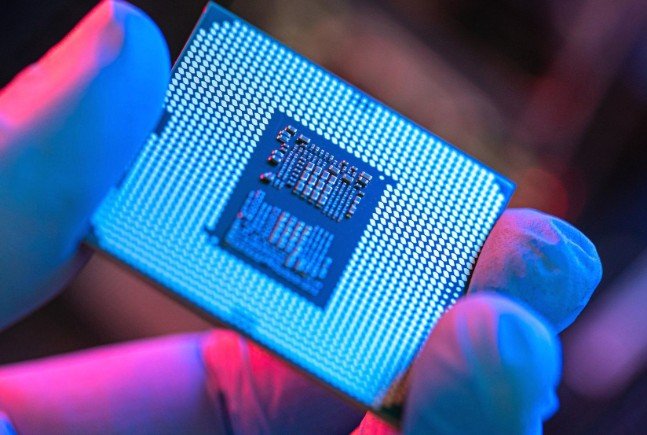
WASHINGTON, May 11: Trade tensions between the United States and China escalated sharply after Washington announced stricter export controls on advanced semiconductor technologies and artificial intelligence chips.
The new restrictions, unveiled by the administration of President Donald Trump, aim to prevent sensitive American technology from being used in Chinese military and surveillance systems. The policy affects several leading US chip manufacturers and limits the transfer of high-performance computing equipment to Chinese firms.
Beijing strongly criticised the move, calling it an attempt to suppress China’s technological rise. Chinese officials warned that countermeasures could target American companies operating in China, including those involved in manufacturing, automobiles, and telecommunications.
Global financial markets reacted nervously to the announcement. Technology stocks experienced volatility as investors worried about disruptions in international supply chains. Economists fear that prolonged trade disputes between the world’s two largest economies could slow global growth and increase inflationary pressures.
Chinese technology companies have accelerated efforts to develop domestic semiconductor production capabilities. Beijing has also increased investment in research programmes focused on artificial intelligence, quantum computing, and advanced manufacturing technologies.
Meanwhile, American officials argue that national security concerns justify tighter controls. Senior US lawmakers stressed that emerging technologies should not strengthen strategic rivals in areas linked to defence and cyber warfare.
Industry leaders warned that continued restrictions could affect global electronics production, including smartphones, electric vehicles, and cloud computing infrastructure. Several multinational firms have already begun shifting portions of their supply chains to Southeast Asia and India to reduce geopolitical risks.
The latest dispute reflects a broader strategic competition between Washington and Beijing involving trade, military influence, and technological leadership. Diplomatic observers believe future negotiations will be extremely challenging as mistrust between the two powers continues to deepen.
Experts say the semiconductor battle has become central to global geopolitical rivalry, with both nations viewing technological supremacy as essential for economic and national security.

