


US Dollar Gains Weekly Momentum While Yen Suffers Sharpest Drop in Two Months
Rising oil prices lift the US dollar, while expectations of unchanged Bank of Japan interest rates keep pressure on the yen despite official intervention warnings.
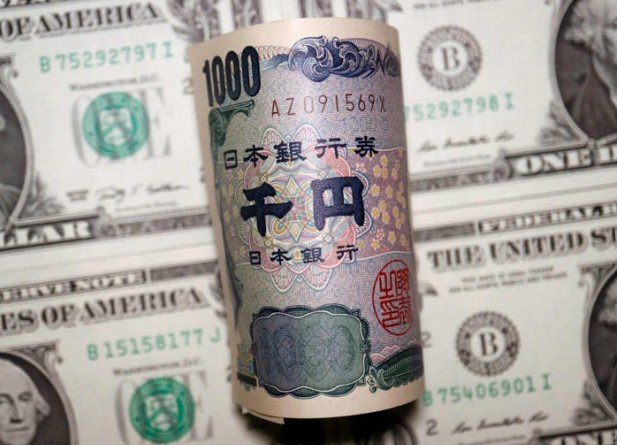
Tokyo, July 24: The Japanese yen was on track for its sharpest weekly decline in more than two months on Friday, while the US dollar recorded its strongest weekly performance since mid-June, supported by rising global oil prices and diverging monetary policy expectations between the United States and Japan.
The yen remained under pressure near multi-decade lows despite repeated assurances from Japanese authorities that they stand ready to intervene in the foreign exchange market if excessive volatility persists. Investors, however, remained unconvinced that verbal warnings alone would be sufficient to reverse the currency’s downward trend.
Japan’s Finance Minister Satsuki Katayama reiterated that the government is prepared to take appropriate action to stabilize the yen if market movements become disorderly. Her comments echoed previous statements aimed at discouraging speculative trading against the Japanese currency.
Despite those assurances, market participants believe any direct intervention is likely to have only a temporary impact unless it is accompanied by broader monetary policy changes. Analysts argue that a more meaningful recovery in the yen would require the Bank of Japan (BOJ) to adopt a more aggressive path of interest rate increases.
Adding to that view, the US Treasury Department recently emphasized the importance of limiting excessive currency volatility while also encouraging the Bank of Japan to continue normalizing its monetary policy. Investors interpreted the remarks as further evidence that interest rate expectations remain a key driver of exchange rate movements.
According to market pricing data, traders have largely ruled out the possibility of a BOJ interest rate hike at next week’s monetary policy meeting. The expectation of continued low borrowing costs in Japan has widened the interest rate gap with the United States, making the dollar more attractive to global investors.
Currency strategists also pointed to the recent surge in crude oil prices as another factor weighing on the yen. As Japan imports most of its energy needs, higher oil prices increase import costs and put additional pressure on the country’s trade balance, weakening demand for its currency.
Analysts noted that the combination of elevated energy prices, subdued expectations for tighter Japanese monetary policy and continued demand for dollar-denominated assets has reinforced the dollar’s strength against the yen.
Market participants will closely monitor next week’s Bank of Japan policy decision and any further comments from Japanese officials, as investors assess whether policymakers are prepared to take stronger measures to support the national currency or allow market forces to continue driving exchange rate movements.

