


US House Approves Measure to End Iran War, Delivering Major Setback to Trump
Cross party support for war powers resolution highlights mounting concerns over executive military authority and the prolonged Middle East conflict.
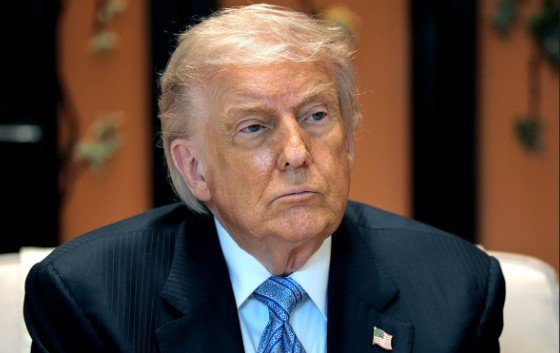
Washington, D.C., June 04 : In a notable display of bipartisan cooperation, the U.S. House of Representatives approved a resolution aimed at limiting presidential authority over military engagement with Iran, underscoring growing concerns among lawmakers about the direction of American involvement in the region.
The measure secured approval by a narrow margin of 215-208, with four Republican lawmakers joining Democrats in support. Although the resolution faces significant obstacles before becoming law, the outcome reflects an emerging willingness among some members of President Donald Trump’s own party to challenge his foreign policy decisions.
The proposal seeks to reinforce Congress’ constitutional role in decisions related to military action. While supporters argue that prolonged conflict requires greater legislative oversight, opponents maintain that the president must retain flexibility in responding to international security threats.
Political analysts note that the vote carries more symbolic than immediate practical significance. The legislation must still clear the Senate and would likely encounter a presidential veto if it reaches the White House. Overriding such a veto would require overwhelming bipartisan backing, a difficult threshold in the current political environment.
Despite these hurdles, the vote marks a significant moment in an ongoing debate over war powers and executive authority. The military confrontation involving Iran has now entered its fourth month, with no clear diplomatic breakthrough or resolution in sight. Public concern over the duration and potential escalation of the conflict has steadily increased, prompting renewed scrutiny from lawmakers across the political spectrum.
The resolution received support from Republican Representatives Tom Barrett of Michigan, Warren Davidson of Ohio, Brian Fitzpatrick of Pennsylvania, and Thomas Massie of Kentucky. Their votes highlighted divisions within Republican ranks regarding U.S. military commitments overseas and the administration’s handling of the crisis.
The House action follows developments in the Senate, where lawmakers recently advanced a related measure through a procedural step after several previous attempts failed to gain momentum. While the Senate proposal differs in language, both initiatives share the objective of increasing congressional oversight over military operations.
The vote also comes amid broader signs of resistance to some administration priorities. Earlier this week, House lawmakers advanced legislation that would provide additional security assistance to Ukraine while imposing tougher sanctions on Russia. That measure gained traction after supporters gathered enough signatures to force consideration on the House floor, attracting support from several Republicans.
Meanwhile, administration officials have faced questions from lawmakers on a range of issues. Acting Attorney General Todd Blanche informed Congress that plans for a compensation fund benefiting individuals claiming political targeting by government agencies would not proceed, following criticism from members of the president’s party.
Additional debate emerged over Trump’s selection of Bill Pulte to lead the nation’s intelligence apparatus in an acting capacity. Some Republican legislators expressed reservations about the appointment, citing concerns over national security experience and qualifications for the role.
Taken together, these developments suggest a shifting political landscape in Washington, where congressional Republicans are increasingly willing to scrutinize certain administration decisions despite maintaining control of both chambers. As discussions over foreign policy, defense strategy, and executive authority continue, lawmakers are expected to remain deeply engaged in shaping the next phase of U.S. involvement abroad.
The House Iran War Powers Resolution is likely to remain at the center of that debate, serving as a test of Congress’ willingness to assert its constitutional role in matters of war and peace.

