


US–Iran Ceasefire Talks in Pakistan End Before Dawn, Negotiations to Continue
High stakes negotiations end without agreement as tensions persist, military movements intensify, and global concerns deepen
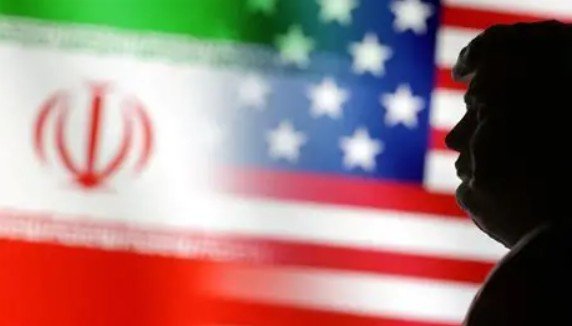
Iran, Apr 12 : In a dramatic turn, face to face negotiations between the United States and Iran concluded without a breakthrough after an intense 21-hour session in Islamabad, Pakistan, early Sunday. The talks, seen as a crucial attempt to stabilise a worsening conflict, ended in a deadlock despite what officials described as “substantive discussions.”
Led by US Vice President J. D. Vance and Iran’s Parliament Speaker Mohammad Bagher Ghalibaf, the delegations engaged in prolonged dialogue amid a fragile ceasefire that has held for just under two weeks. However, Vance confirmed that no agreement had been reached, signalling a setback in diplomatic efforts.
“We made our red lines very clear, but Iran chose not to accept our terms,” Vance stated, adding that the outcome was more detrimental to Tehran than Washington. He remained in close contact with US President Donald Trump throughout the negotiations.
Despite the breakdown, backchannel discussions continue, with technical teams from both sides still engaged. Pakistani officials indicated that talks may resume after a brief pause, keeping hopes of diplomacy alive.
The negotiations unfolded against a backdrop of escalating military developments. The US military confirmed the movement of destroyers through the strategically vital Strait of Hormuz, signalling preparations for mine clearing operations. Iran, however, denied these claims, further highlighting the mistrust between the two sides.
The conflict, now in its seventh week, has already claimed thousands of lives across the Middle East, including Iran, Lebanon, and Israel, while severely disrupting global energy markets. Iran’s control over the Strait of Hormuz a key global oil transit route has significantly curtailed exports, pushing energy prices upward.
Iran entered the talks with firm demands, including compensation for damages caused by US-Israeli strikes, release of frozen assets, and a halt to Israeli operations against allied groups such as Hezbollah. These conditions, coupled with deep-rooted distrust, complicated the path to any immediate agreement.
Regional and global stakeholders, including representatives from China, Egypt, Saudi Arabia, and Qatar, were quietly present in Islamabad to support mediation efforts, underscoring the international stakes involved.
Meanwhile, humanitarian concerns continue to rise. Civilians in Iran expressed cautious optimism but emphasised the heavy toll of the conflict. Adding a moral voice to the crisis, Pope Leo XIV condemned the war, criticising what he described as a dangerous “delusion of omnipotence” driving the violence.
With tensions unresolved and military activity ongoing, the collapse of the Islamabad talks marks a critical moment in a conflict that continues to threaten regional stability and global economic security.

