


US Seeks Extradition of Filipino Church Leader Over Sex Crime and Fraud Charges
Extradition request awaits approval from Philippine courts as detained religious leader faces separate human trafficking and child abuse cases at home.
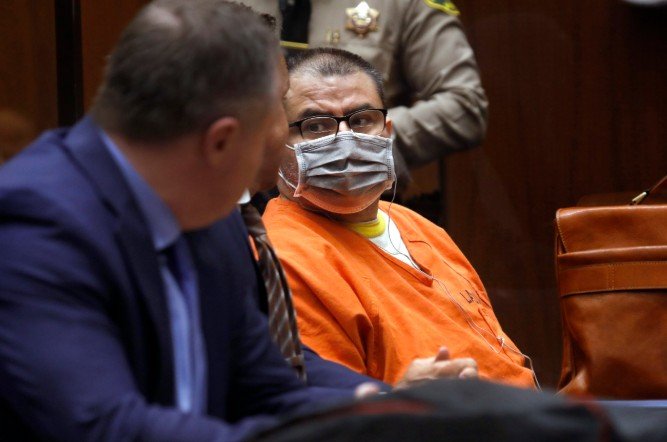
MANILA, Aug. 6: The United States has formally requested the extradition of Filipino televangelist Apollo Carreon Quiboloy, a prominent religious leader and former spiritual adviser to ex-President Rodrigo Duterte, to face a series of criminal charges that include child sex trafficking, fraud, money laundering and visa related offences.
The extradition request was transmitted to the Philippine Department of Justice through the Department of Foreign Affairs in July, according to senior Philippine officials familiar with the matter. The move marks a significant step in Washington’s efforts to bring Quiboloy before a US court after he was placed on the FBI’s Ten Most Wanted Fugitives list.
Before any transfer can take place, Philippine courts must determine whether the request complies with the country’s legal requirements. Quiboloy, who has remained in detention since September 2024, is currently facing domestic prosecutions involving alleged human trafficking and child abuse.
Under Philippine law, criminal proceedings within the country generally take precedence over extradition. However, authorities may seek judicial approval for the temporary surrender of a suspect under the 1994 extradition treaty between the Philippines and the United States if legal conditions are met.
Quiboloy, 76, founded the Kingdom of Jesus Christ church in Davao City in 1985. Over the years, the organisation expanded its influence across the Philippines and overseas, while Quiboloy emerged as one of the country’s most influential evangelical figures with close political connections.
His relationship with former President Rodrigo Duterte attracted widespread attention, with Quiboloy serving as Duterte’s spiritual adviser during his presidency. Duterte is currently detained in the Netherlands after being arrested under a warrant issued by the International Criminal Court over alleged crimes against humanity linked to his anti-drug campaign.
Known for describing himself as the “appointed son of God,” Quiboloy built a devoted following through religious broadcasts and large public gatherings. He also drew criticism for making extraordinary public claims, including assertions that he had prevented a devastating earthquake from striking the southern Philippines.
Legal troubles intensified in 2024 when Philippine authorities obtained arrest warrants against Quiboloy and several associates over allegations involving child abuse, sexual exploitation and human trafficking. He evaded arrest for months before surrendering following an extensive police operation at his sprawling religious compound in Davao City.
The compound, spread across roughly 30 hectares, included a cathedral, sports stadium, aircraft hangar and a private taxiway connected to Davao International Airport. Nearly 2,000 police personnel participated in the operation that eventually led to Quiboloy’s surrender.
Quiboloy has consistently denied all accusations, maintaining that the allegations were fabricated by former members and political opponents seeking to discredit him and his religious organisation.
In the United States, federal prosecutors first unsealed an indictment against Quiboloy in 2021, accusing him of operating a scheme in which women and underage girls were allegedly coerced into sexual acts through intimidation, threats of abuse and claims of spiritual punishment.
A superseding indictment later expanded the list of charges to include conspiracy, child sex trafficking, trafficking through force and coercion, marriage fraud, money laundering, cash smuggling and visa fraud. Following those charges, the FBI added Quiboloy to its list of the agency’s ten most wanted fugitives.
The extradition process is expected to proceed through Philippine courts, where judges will weigh treaty obligations alongside ongoing domestic criminal proceedings before deciding whether Quiboloy can be transferred to the United States for trial.

