


US to Impose 100% Tariff on Certain Patented Medicines, Trump Announces
New policy links drug pricing agreements and US manufacturing investment to tariff relief, with penalties rising to 100% over time.
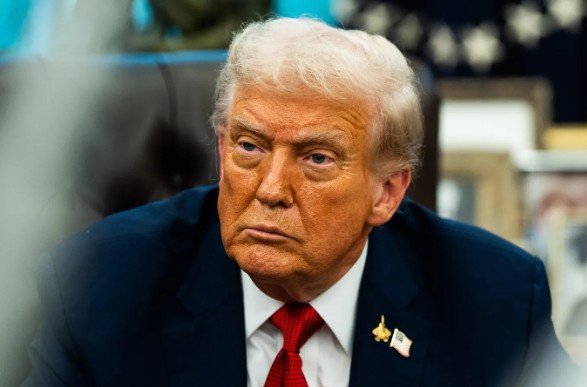
U.S , Apr 03 : President Donald Trump on Thursday signed an executive order introducing a new tariff framework targeting select patented medicines, signaling a sharper turn in his evolving trade strategy. The directive outlines tariffs that could climb as high as 100% for pharmaceutical companies that fail to reach pricing agreements with the administration within a defined negotiation window.
Under the policy, companies that agree to “most favored nation” pricing terms and commit to expanding pharmaceutical manufacturing within the United States will be exempt from tariffs. Firms that initiate domestic production without finalizing pricing deals will face an initial 20% tariff, which could gradually increase to 100% over a four year period.
According to a senior administration official, drugmakers have a limited timeframe to comply 120 days for large corporations and 180 days for smaller firms. While specific companies and medicines were not disclosed, the official confirmed that agreements have already been reached with several major pharmaceutical manufacturers, with most of them formally signed.
The administration has defended the move as a national security measure, arguing that dependence on imported medicines poses strategic risks. The announcement also coincides with the anniversary of Trump’s earlier sweeping tariff measures, which had triggered market volatility before being overturned by the Supreme Court earlier this year.
The pharmaceutical industry has responded with caution. Stephen J. Ubl, head of a leading industry group, warned that imposing tariffs on advanced medicines could drive up healthcare costs and jeopardize ongoing investments in the US, especially given that many imports originate from allied nations.
In parallel, the administration unveiled adjustments to existing tariffs on metals such as steel, aluminum, and copper. Beginning next week, duties will be calculated based on the total customs value of imported goods. Items made entirely of these metals will continue to face a 50% tariff, while products with mixed composition will be taxed based on their metal content, introducing a tiered structure aimed at closing loopholes.
These developments highlight the administration’s continued reliance on sector-specific tariffs under long-standing trade laws. While earlier tariffs imposed under emergency powers were struck down by the courts, the current approach leverages alternative legal provisions, allowing the White House to maintain pressure on global trade partners.
Trump has consistently argued that such measures are necessary to revive domestic manufacturing and correct trade imbalances, though critics warn they could strain supply chains and increase costs for consumers.

