


Uttarakhand Abolishes Madrasa Board, Mandates State Curriculum from July
Government cites need for modern, inclusive education; move sparks debate over minority rights and educational autonomy
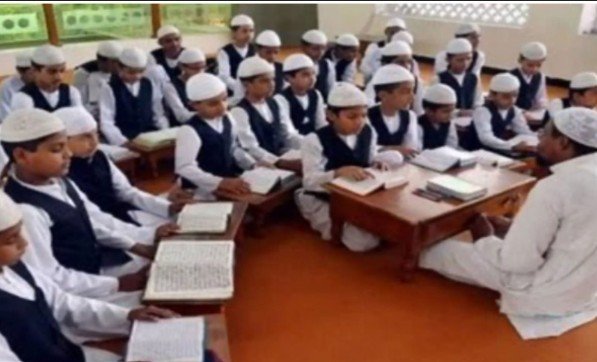
Dehradun/Haridwar, Apr 20: In a significant policy shift aimed at reshaping the state’s education framework, Uttarakhand Chief Minister Pushkar Singh Dhami has announced the abolition of the Madrasa Board, mandating all madrasas to adopt the state-prescribed curriculum starting July 2026.
The announcement, made during a public event in Haridwar, marks one of the most sweeping educational reforms undertaken by the state government in recent years. According to Dhami, the decision is intended to ensure uniformity in education and align madrasa students with mainstream academic standards.
“Taking another historic decision, we have resolved to dissolve the Madrasa Board, which has been functioning for years. From July 2026, every madrasa in Uttarakhand will follow the syllabus set by the Uttarakhand Education Board. Institutions that fail to comply will face closure,” the Chief Minister stated.
Push for Uniform and Modern Education
The move reflects the government’s broader push toward integrating religious institutions into the formal education system. Officials argue that introducing subjects such as science, mathematics, and social studies will provide madrasa students with better career opportunities and a more comprehensive worldview.
Supporters of the reform believe it could bridge educational gaps and reduce disparities between students enrolled in traditional religious institutions and those in mainstream schools.
Support from Religious Leaders
The announcement received backing from several Hindu religious leaders present at the gathering. Swami Chidanand Saraswati of Parmarth Ashram endorsed the initiative, stating that it would help students gain broader exposure beyond religious teachings.
He emphasized that blending modern education with spiritual values would empower students to better understand national and global issues, preparing them for a more interconnected world.
Similarly, Ravindra Puri expressed strong support, though his remarks reflected a more hardline stance, calling for wider reforms in religious education institutions across the country.
Controversial Statements Add to Debate
The event also saw controversial remarks from some seers, including Kailashanand Giri, who advocated restrictions on the presence of non-Hindu communities in “Devbhoomi” regions like Uttarakhand and Himachal Pradesh. These statements have added a sensitive dimension to the ongoing debate surrounding the policy.
Opposition and Minority Concerns
While there has been no immediate formal response from opposition parties, the proposal has previously drawn strong criticism from sections of the Muslim community.
Khalid Rashid Firangi Mahali, associated with the All India Muslim Personal Law Board, had earlier termed the decision “unlawful,” arguing that it undermines established institutional frameworks.
Likewise, Shahabuddin Razvi Barelvi questioned the necessity of dissolving the Madrasa Board altogether. He suggested that reforms could have been implemented within the existing system without dismantling it.
Implementation Timeline and Future Implications
The policy is scheduled to come into effect from July 2026, leaving madrasa institutions with a limited timeframe to transition to the new curriculum structure. Education experts note that the success of the reform will depend heavily on implementation, teacher training, and resource allocation.
The decision is expected to have far-reaching implications, not only for Uttarakhand’s education system but also for similar debates unfolding in other states. As discussions continue, the move highlights the complex intersection of education policy, cultural identity, and governance in modern India.

