


Veteran Tamil Composer Deva Dies at 75, Leaving Behind a Lasting Musical Legacy
Known for iconic Rajinikanth introduction themes and his role in popularising Chennai’s gaana music, the celebrated composer’s death prompts tributes from film personalities and political leaders.
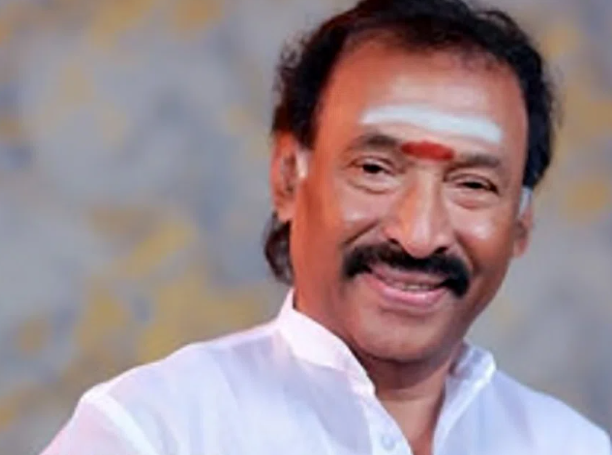
CHENNAI, Oct 17: Veteran Tamil film composer and singer Deva, popularly known as “Thenisai Thendral”, died in Chennai on Saturday following a cardiac arrest. He was 75. His death has brought an end to a celebrated career that helped shape the sound of Tamil cinema, particularly during the 1990s, when his energetic compositions, memorable melodies and distinctive use of local musical traditions earned him a devoted audience.
Deva, whose full name was Devanesan Chokkalingam, was widely recognised for creating some of the most memorable musical themes associated with leading Tamil film stars. His compositions for Rajinikanth-starrers such as Annamalai and Baashha became an important part of the superstar’s screen persona, while his work in films featuring younger actors helped establish their identities with audiences.
The composer’s passing on October 17 prompted an outpouring of grief from the Tamil film industry. Rajinikanth visited to pay his final respects, while actor Vijay also met the bereaved family and offered condolences. Other personalities, including actor Sathyaraj and comedian S. Ve. Shekher, joined the tributes. Political leaders also remembered Deva’s contribution to Tamil music, with the composer receiving state honours during his final rites. A distinctive voice in Tamil film music
Deva’s contribution to the industry extended beyond composing background scores and songs. He became known for bringing the rhythms and expressive style of Chennai’s gaana music into mainstream commercial cinema, helping a musical tradition rooted in local communities reach a much wider audience.
Gaana is associated particularly with North Chennai and is characterised by its strong rhythms, conversational lyrics and direct emotional expression. Deva adapted elements of this style for film soundtracks, combining its earthy character with the demands of popular cinema.
His compositions often balanced lively percussion, catchy refrains and accessible melodies. This approach allowed his songs to connect with listeners across different age groups and social backgrounds. Many of his numbers became closely associated with the characters and situations for which they were written, while others developed an independent life beyond the films.
During the 1990s, Tamil cinema featured several influential music directors, including Ilaiyaraaja and A. R. Rahman. Deva carved out his own space during this competitive period by developing a recognisable musical identity rather than simply following prevailing trends.
His work demonstrated that popular film music could draw strength from regional traditions while remaining accessible to a broad audience. His success also helped establish gaana as an important component of the commercial Tamil film soundtrack.
Rajinikanth’s iconic musical introductions
One of Deva’s most enduring contributions was his association with Rajinikanth. The composer created energetic introductory themes that amplified the actor’s screen presence and became familiar to generations of filmgoers.
His soundtracks for Annamalai and Baashha remain particularly significant examples of this collaboration. The music helped establish the atmosphere surrounding Rajinikanth’s arrival on screen, turning introductory sequences into major cinematic events.
The song “Naan Autokaaran” from Baashha became especially popular and developed a strong connection with autorickshaw drivers and working-class audiences. Its appeal reflected Deva’s ability to create music that was both suited to a film’s dramatic requirements and connected to everyday cultural experiences.
His association with Rajinikanth continued to be remembered through subsequent projects, including the Jailer franchise. The composer’s signature approach to the actor’s introductory music became so recognisable that it formed part of the larger cultural experience surrounding Rajinikanth’s films. <Cite refs={[“turn107053search1″,”turn107053search5”]}/>
For fans, these compositions represented more than background music. They helped establish anticipation, excitement and a sense of celebration in theatres, reinforcing the relationship between a leading actor and his audience.
A career spanning several languages
Deva built a career extending across Tamil, Telugu, Kannada and Malayalam cinema. Reports on his death credited him with composing music for more than 400 films, reflecting the scale of his work across the South Indian film industry.
He entered the film industry towards the end of the 1980s and gained wider recognition in the following decade. The 1990 release Vaikasi Porandhaachu, starring Prashanth, proved to be an important breakthrough in his career.
He subsequently worked on a range of films that demonstrated his versatility, moving between commercial entertainers, romantic dramas, comedies and action-oriented productions. His notable credits included Aasai, Kaadhal Kottai, Nerukku Ner, Vaali, Avvai Shanmugi, Kushi and Panchathanthiram.
These projects brought different musical requirements, from songs designed to support romantic narratives to numbers intended to energise large-scale commercial sequences. Deva’s ability to work across these styles helped him remain relevant to filmmakers and audiences over an extended period.
His compositions also contributed to the careers of several leading actors. While his Rajinikanth soundtracks are among his best-known works, his music for films featuring Ajith Kumar and Vijay helped shape the popular image of younger stars during important stages of their careers.
For Ajith, Deva composed songs that supported the actor’s romantic screen image, while his youthful and energetic musical approach also suited Vijay’s early commercial films. These associations demonstrated the composer’s ability to adapt his style to different performers and genres. From television and stage to cinema
Born on November 20, 1950, Deva developed his musical career through a combination of stage and television work before establishing himself in films.
His early professional experience included work connected with television programming and stage performances. He was associated with Doordarshan’s Podhigai channel and composed songs for the agricultural programme Vayalum Vaazhvum.
These experiences formed part of his journey into the film industry, where the demands of composing for visual storytelling required him to combine musical creativity with an understanding of dramatic situations.
Music also ran through his family. His brothers, Sabesh and Murali, were involved in the music business, while his son Srikanth Deva went on to become a composer in his own right.
Deva’s career reflected the importance of sustained work and adaptability in an industry where musical tastes, production methods and audience expectations continued to evolve.
Although technological changes transformed the way film music was recorded, distributed and consumed, his compositions remained associated with an era in which soundtrack albums and theatre experiences played a central role in a film’s popularity.
Tributes reflect his cultural influence
The reactions to Deva’s death highlighted the breadth of his influence across the entertainment industry. Film personalities remembered him not only for his popular songs but also for his contribution to Tamil cinema’s musical identity.
Rajinikanth’s visit was particularly significant given their long association and the composer’s role in creating some of the actor’s best-known musical introductions. Vijay’s visit to the family also reflected the respect Deva commanded across different generations of performers.
The tributes extended beyond actors and musicians, with political figures acknowledging his contribution to Tamil culture. The state honours accorded during his final rites further underlined the public importance attached to his work. <Cite refs={[“turn337096news8″,”turn107053search1”]}/>
Deva’s popularity was rooted in music that audiences could readily recognise and remember. His compositions combined strong rhythmic foundations with melodies designed to remain memorable long after a film left theatres.
His work also illustrated how regional musical traditions could influence mainstream entertainment without losing their distinctive character. By incorporating gaana into film soundtracks, he helped bring a local cultural form to listeners well beyond its original setting.
As Tamil cinema mourns his death, Deva leaves behind a catalogue of songs and scores associated with some of the industry’s most familiar stars and films. His legacy will continue through the music that accompanied memorable cinematic moments and through the influence of a composer who gave local rhythms a prominent place in popular film culture.

