


Water Becomes India’s New Luxury for the Wealthy
From blind tastings to designer bottles, premium water gains status appeal amid health concerns and distrust of tap supply
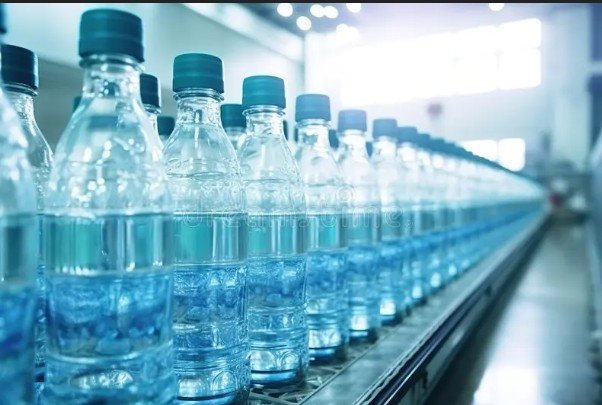
New Delhi, Jan 31: At an upscale gourmet store in India, guests swirl shot glasses, assess minerality, and debate texture not over wine, but water. Sourced from France, Italy, and India, brands such as Evian, Perrier, San Pellegrino, and Aava are part of a growing trend that has transformed bottled water into a symbol of wealth and wellness.
Leading the tasting is Avanti Mehta, who describes herself as India’s youngest water sommelier. She encourages participants to evaluate mineral content, salinity, and carbonation, arguing that water should offer nutritional benefits rather than simply quench thirst. Her family owns Aava, an Indian mineral water brand drawn from the Aravalli foothills.
Premium water has emerged as a fast growing segment in India’s nearly $5 billion bottled water market. While a basic bottle costs about 20 cents, domestic mineral water is priced around $1 per litre, and imported varieties exceed $3. Despite the steep premium, demand is accelerating as affluent consumers increasingly link mineral water with health, energy, and lifestyle choices.
The shift is unfolding against a backdrop of widespread water insecurity. Researchers estimate that nearly 70% of India’s groundwater is contaminated, and tap water remains unsafe in many regions. In December, contaminated municipal water was blamed for multiple deaths in Indore, reinforcing public distrust in local supplies.
Market research firm Euromonitor says the premium segment accounted for 8% of India’s bottled water market last year, up sharply from 1% in 2021. While bottled water growth in countries like the United States and China is driven largely by convenience, India’s surge is fuelled by safety concerns and a growing wellness culture.
Consumers such as New Delhi based real estate developer B.S. Batra say mineral water has become a household staple. He claims it boosts energy levels and is used daily, from smoothies to whisky mixers.
Major companies are taking notice. Tata Consumer Products is expanding its premium portfolio, including its Himalayan mineral water sourced from an underground aquifer in Himachal Pradesh. The company plans to introduce sparkling variants and is scouting additional natural springs to scale operations. Executives say affluent buyers are willing to pay more without hesitation.
The trend has also attracted celebrities and entrepreneurs. Actor Bhumi Pednekar recently launched a premium mineral water brand, while gourmet retailers report surging sales. At Foodstories stores, premium water purchases tripled in 2025, prompting imports of ultra high end brands such as Saratoga Spring Water, which sold out within days despite its hefty price tag.
Domestic brands are thriving too. Aava recorded revenues of over 800 million rupees last year, growing steadily since 2021. Meanwhile, imported waters face taxes exceeding 30%, keeping them firmly positioned as niche products.
For consumers sampling mineral water like fine wine, the appeal lies in what tap water cannot offer. “When you open your tap, you’re not getting Evian or Aava,” Mehta said. “That difference is exactly what people are paying for.”
While some tasters admire the experience, others remain hesitant about the cost. Still, as wealth and wellness converge, water in India is no longer just a necessity it is becoming a statement.

