


WETLANDS: THE HEART OF OUR ECOSYSTEM
World Wetlands Day is an annual celebration that takes place on February 2nd to raise awareness about the importance of wetlands and the need to conserve them. On this day, the Convention on Wetlands, which was ratified as a global agreement in 1971, also celebrates its birthday. Wetlands are defined as areas of land that are saturated with water, either permanently or seasonally, and are critical habitats for many species of plants and animals. They also play a crucial role in maintaining the health of the planet’s ecosystems, providing important benefits to humans, and mitigating the impacts of climate change. The theme for World Wetlands Day 2023 is “Wetlands and Water,” which highlights the interdependence between wetlands and water and the need to protect and manage these important ecosystems. The theme is particularly relevant this year as the world faces increasing pressure from growing populations, urbanization, and climate change. These factors have led to the widespread degradation of wetlands and the loss of many of these important ecosystems, putting at risk the many benefits they provide.
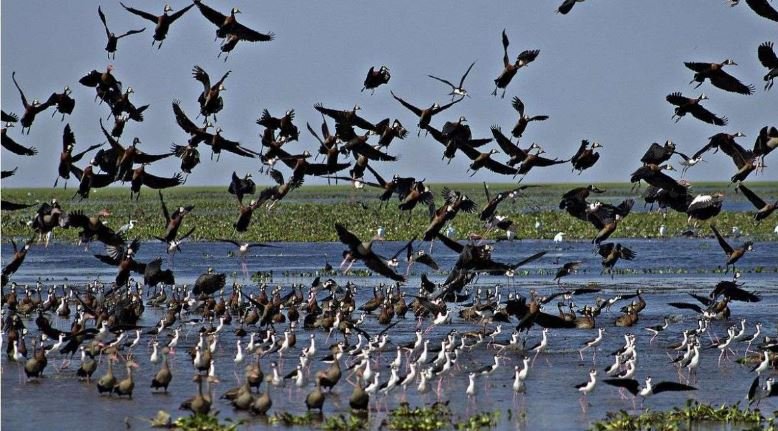
The other Ramsar sites in the UT of J&K are Mansar-Surinsar, Hokersar, Wullar, Hygam, and Shallbugh. In recognition of the occasion, Chief Secretary Dr. Arun Kumar Mehta paid a visit to the Gharana Wetland in this location and set the cornerstone for the wetland’s comprehensive development as a showcase for ecosystem conservation and a desirable tourist destination. The Gharana Wetland, which was declared in 1981, typically hosts migrating birds from Central Asia, Mongolia, Russia, China, and other nations throughout the world. It is important to note that this water body draws tens of thousands of birds from other continents, providing bird watchers with a wonderful opportunity to observe them up close. The primary draws are purple swamp hens, bar-headed geese, common teals, Indian moorhens, gadwalls, flocks of greenshanks, etc. He emphasized the importance of educating the local population about the potential of such natural treasures and the advantages they offer to humanity. He placed a major emphasis on utilizing local resources and people for management and conservation in the UT of Jammu and Kashmir to provide sanctuary for both local and migratory birds and to ensure the health of the food chain. Unfortunately, over the past few decades, wetlands have been drained, filled, and converted into urban, industrial, or agricultural land at an alarming rate, leading to a loss of biodiversity and degradation of ecosystem services. In addition to habitat loss, wetlands face multiple threats, including climate change, pollution, and the introduction of non-native species. It is imperative that we take action to protect and conserve wetlands. To do this, we need to better understand the value of wetlands and the services they provide. For example, wetlands play a critical role in water management, filtering and purifying water, and reducing the risk of floods and droughts. They also provide crucial habitats for countless species, including migratory birds, fish, and reptiles, and support local communities through fishing, agriculture, and tourism.
To celebrate World Wetlands Day, it is important to raise awareness of the importance of wetlands and the need for their protection. Governments, NGOs, and local communities can work together to protect wetlands by implementing policies and management plans that prioritize conservation and restoration. In addition, education and public engagement programs can be developed to raise awareness of the value of wetlands and encourage their protection. Certainly, there is an absolute need to secure the future of wetlands and the benefits they provide. World Wetlands Day is an opportunity to reflect on the important role that wetlands play in our world and the need for their protection. While much has been done to protect wetlands, there is still much work to be done. By raising awareness, supporting conservation efforts, and taking steps to mitigate the impacts of climate change, we can ensure that wetlands continue to provide critical services and support biodiversity for generations to come.

