


What Should You Consider Before Installing Smart Home Solutions?
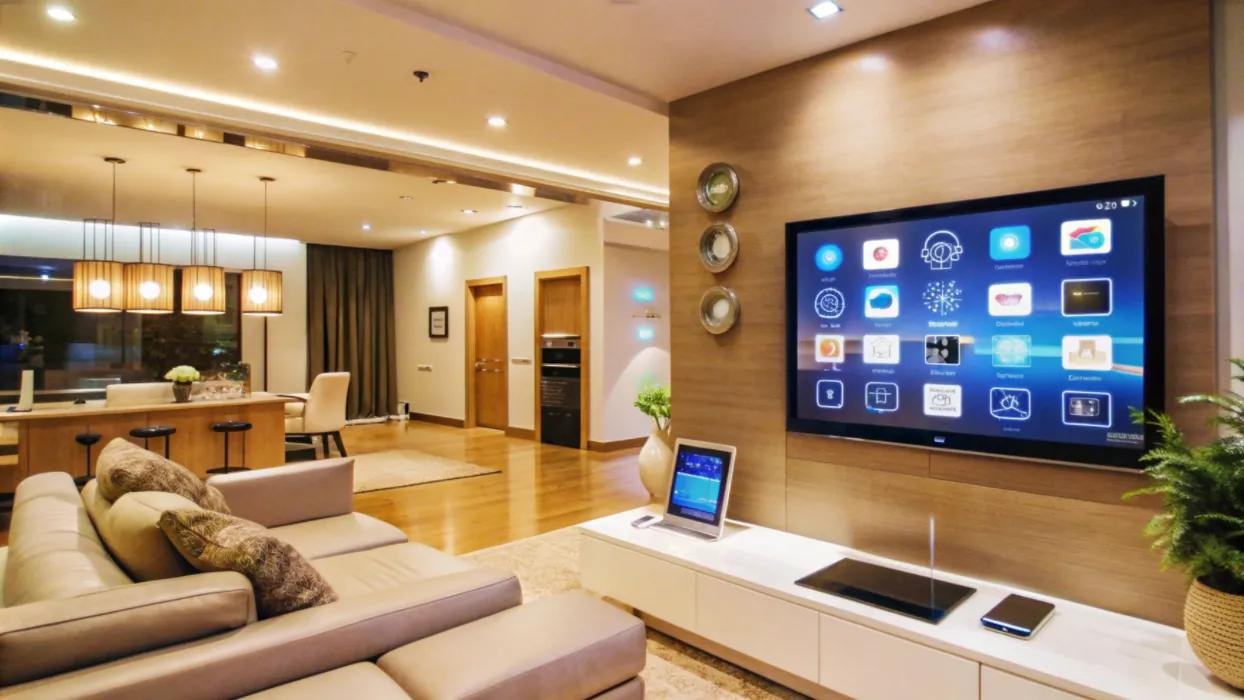
Upgrading your living space with automation transforms daily convenience, security, and efficiency. However, jumping into home automation without adequate planning often leads to fragmented systems and hidden costs.
Before making any purchases, you must evaluate several crucial factors to ensure your smart home setup remains functional, secure, and adaptable for years to come. This blog explains what you should consider before installing smart home solutions to ensure seamless integration, optimal efficiency, and long-term reliability.
Key Considerations Before Home Automation Setup
Here is a checklist of critical factors to evaluate prior to purchasing any connected equipment:
| Factor | Key Consideration | Objective / Goal |
| Ecosystem Compatibility | Select a single primary standard (such as Matter, Zigbee, Z-Wave, or Wi-Fi). | Ensure all connected hardware communicates seamlessly. |
| Network Bandwidth & Coverage | Assess router capacity for handling dozens of connected devices. | Prevent signal lag and maintain connection stability. |
| Data Security & Privacy | Check encryption protocols, local storage, and two-factor authentication. | Safeguard user data and secure device access. |
| Power Requirements & Wiring | Verify neutral wire needs for switches and C-wire requirements for thermostats. | Guarantee proper electrical compatibility and safe operation. |
| Ease of Usability | Choose intuitive interfaces, mobile apps, and voice assistants. | Enable every household member to navigate systems effortlessly. |
Essential Smart Home Infrastructure Comparison
Evaluating the right technology stack ensures long-term operational success:
| Factor | Basic Setup | Advanced Integrated System |
| Primary Protocol | Standard Wi-Fi / Bluetooth | Matter, Zigbee, or Z-Wave Mesh |
| Network Impact | High bandwidth consumption | Low local network strain |
| Data Security | Cloud-dependent storage | Local processing & hardware encryption |
| Installation Complexity | DIY plug-and-play | Professional wiring & hub configuration |
| Power Management | Battery or standard outlets | Hardwired energy management systems |
5 Practical Steps to Prepare Your Space
Follow these practical steps to build a reliable and resilient automated ecosystem:
| Action Step | Implementation Strategy | Intended Outcome |
| Audit Your Electrical Panel | Verify that your electrical infrastructure supports modern digital switches, smart relays, and high-draw systems. | Prevent power overloads and ensure safe electrical operation. |
| Map Network Dead Zones | Deploy a mesh Wi-Fi system or network extenders in basements, outdoor areas, and far corners. | Guarantee reliable connectivity across all home areas. |
| Define Specific Use Cases | Identify primary goals, such as climate control, lighting scenes, or perimeter security, before buying hardware. | Avoid unnecessary purchases and focus on actual needs. |
| Establish a Budget | Account for recurring subscription fees, hubs, professional installation, and backup power alongside hardware costs. | Ensure full financial transparency and prevent unexpected expenses. |
| Review Warranty Terms | Standardize on equipment backed by strong manufacturer warranties and consistent firmware schedules. | Protect hardware investment and ensure long-term reliability. |
Common Pitfalls to Avoid During Smart Home Installation
| Common Pitfall | Direct Consequence | Prevention Strategy |
| Over-relying on Wi-Fi | Network congestion, high latency, and frequent device dropouts as hardware scales. | Dedicate smart home hubs using low-power mesh protocols like Zigbee or Matter. |
| Ignoring Local Control | Total loss of home functionality and automation during internet outages. | Select hubs and ecosystem controllers that support offline local execution. |
| Mixing Too Many Ecosystems | Fragmented control requiring multiple apps, complex bridges, and broken routines. | Stick to one central ecosystem or standard to unify controls under a single app interface. |
| Neglecting Standby Power Draw | Unintended increase in electric bills from dozens of continuously powered sensors and bridges. | Integrate smart power strips and energy monitors to track and manage idle load. |
| Skipping System Backups | Loss of custom automation rules, scenes, and schedules if a hub crashes or resets. | Schedule routine cloud or local configuration backups through your primary smart home app. |
Maximizing Long-term Reliability and Performance in Smart Home Automation
Building a connected home relies fundamentally on power quality, energy efficiency, and electrical safety. Partnering with established energy brands provides essential advantages, starting with strict safety and regulatory compliance.
Reputable manufacturers design devices to meet rigorous international standards, preventing short circuits and thermal risks. They also ensure long-term cybersecurity by consistently providing firmware updates and security patches.

