


White House Vows to Curb Iran-Backed Proxies, Says US Will Safeguard Regional Stability
White House Says Operation Epic Fury Targeting Iran’s Military Capabilities
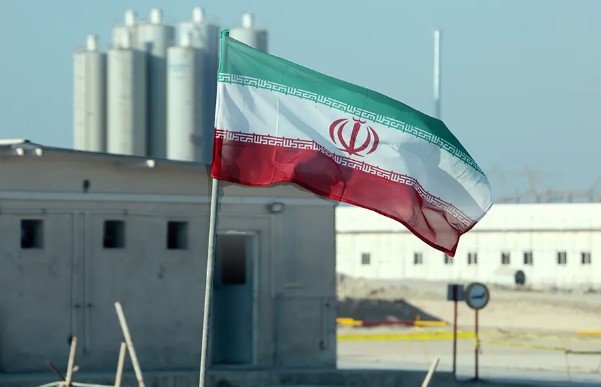
US, Mar 05 : Amid intensifying hostilities in West Asia, the White House has asserted that Operation Epic Fury is aimed at dismantling Iran’s missile infrastructure and weakening its naval strength, describing the campaign as a decisive move to neutralise long standing security threats.
Speaking to reporters, Press Secretary Karoline Leavitt said President Donald Trump had outlined clear military objectives at the outset of the operation. These include eliminating Tehran’s ballistic missile capabilities, crippling its defence production network, and targeting key naval assets.
Naval and Airspace Claims
According to Leavitt, US forces have destroyed more than 20 Iranian vessels, including a submarine, and currently face no active Iranian naval presence in the Arabian Gulf, Strait of Hormuz, or Gulf of Oman. She further claimed that the US expects to establish full control over Iranian airspace in the coming hours.
The administration maintains that the mission is designed to prevent Iran from acquiring nuclear weapons and to curb the activities of Tehran-backed groups operating across the region.
Legal and Political Fallout
The spokesperson criticised previous administrations for their handling of Iran policy, singling out former President Barack Obama over past nuclear agreements. She reiterated that the current administration views military action as necessary to counter what it describes as decades of hostility dating back to the 1979 US Embassy crisis in Tehran.
Leavitt confirmed that six American service members were killed during the operation and extended condolences to their families. She also provided an update on evacuations, stating that over 17,500 US citizens have returned home from the Middle East since the campaign began.
Energy Security and Maritime Measures
Addressing concerns about oil markets, the White House said energy supplies remain stable. The administration has announced steps to safeguard shipping routes, including directing the United States Development Finance Corporation to provide political risk insurance for maritime trade. Additional measures could include naval escorts through the Strait of Hormuz to ensure uninterrupted energy flows.
The State Department has issued Level 4 travel advisories for several countries in the region, urging US nationals to register for evacuation assistance.
Ongoing Regional Tensions
The conflict entered its sixth day following US and Israeli strikes on Iran on February 28, which reportedly killed senior leadership figures, including Supreme Leader Ayatollah Ali Khamenei. Tehran has since launched retaliatory attacks targeting American military facilities in Gulf countries and Israeli linked assets.
As the situation evolves, the administration says its strategy remains focused on limiting escalation while reinforcing regional security and protecting US interests.

