


Wular Lake Witnesses Return of Pink Lotus Blooms After Three Decades
Conservation efforts revive ecological balance as one of Kashmir's most iconic wetlands experiences a remarkable environmental comeback.
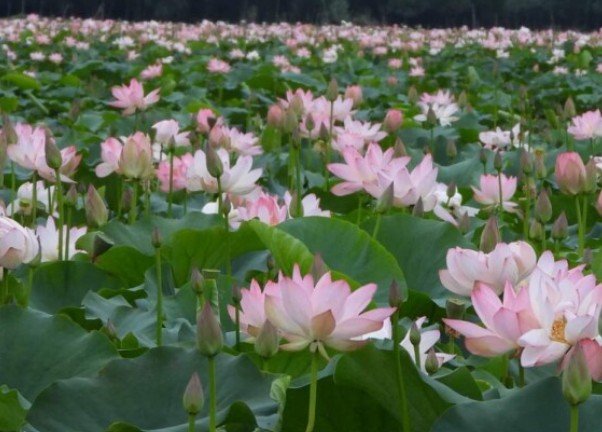
SRINAGAR, June 18: In a remarkable environmental success story, pink lotus flowers have reappeared in Wular Lake after more than three decades, marking a major milestone in Kashmir’s ongoing wetland restoration efforts.
Environmental experts and local residents have described the development as a symbol of ecological recovery and sustainable conservation. The return of the lotus blooms has generated excitement among nature enthusiasts, researchers and tourism stakeholders alike.
For years, excessive silt accumulation, environmental degradation and the spread of invasive vegetation had severely affected the lake’s ecological balance. The disappearance of lotus growth became one of the most visible indicators of the challenges facing the historic water body.
Recent restoration initiatives have focused on dredging accumulated silt, improving water circulation and removing invasive species that restricted sunlight penetration. These interventions created favorable conditions for dormant lotus roots to regenerate naturally.
Wular Lake, recognized as one of Asia’s largest freshwater lakes, plays a vital role in maintaining biodiversity, supporting fisheries and regulating the hydrological system of the Kashmir Valley. Environmentalists believe the return of lotus blooms signals broader improvements in the health of the ecosystem.
The restoration has also contributed to the revival of bird habitats. Migratory species have increasingly returned to the wetland, enhancing its significance as a biodiversity hotspot. Researchers are monitoring the lake closely to assess long-term ecological impacts.
Local communities dependent on the lake for livelihood have welcomed the positive transformation. Improved environmental conditions are expected to support fishing activities, eco-tourism initiatives and sustainable economic opportunities for nearby residents.
Tourism stakeholders see the revival as an opportunity to promote responsible nature tourism. Visitors are already showing growing interest in experiencing the scenic beauty of the restored wetland and its unique floral landscape.
Environmental experts caution that sustained conservation measures will be essential to preserve the gains achieved so far. Continued monitoring, scientific management and community participation are being viewed as critical components of future protection efforts.
The return of the pink lotus to Wular Lake stands as a powerful example of how targeted conservation initiatives can restore damaged ecosystems. For many residents, the blooming flowers represent not only environmental renewal but also hope for a greener and more sustainable future in Jammu and Kashmir.

