


420 Million Screened for Hypertension, Diabetes Under Central Health Scheme: Nadda
Health Minister highlights preventive healthcare drive, expanded insurance coverage and access to affordable medicines at WCOG 2026.
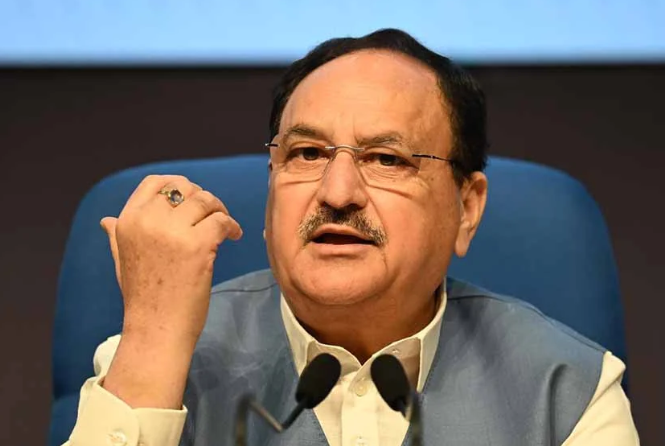
NEW DELHI, Sep 30: More than 420 million screenings for hypertension and diabetes have been carried out through Ayushman Arogya Mandirs, Union Health Minister J P Nadda said on Wednesday, underlining the government’s focus on early detection and preventive healthcare.
Speaking at the World Congress of Gastroenterology (WCOG 2026) in New Delhi, Nadda said population based screening for non-communicable diseases (NCDs) is being undertaken at Ayushman Arogya Mandirs for people aged 30 years and above.
According to the minister, the health facilities have also conducted over 360 million screenings for oral cancer, 170 million for breast cancer and 90 million for cervical cancer.
Nadda said the network of around 1.86 lakh Ayushman Arogya Mandirs has helped strengthen primary healthcare while expanding preventive and promotive health services at the community level.
He said the National Health Policy-2017 represented a significant shift towards a comprehensive healthcare approach. The government, he added, is working to strengthen health systems across primary, secondary and tertiary levels while improving coordination between them.
The health minister also called for greater awareness about nutritious diets and physically active lifestyles. He referred to initiatives such as the Eat Right India campaign of the Food Safety and Standards Authority of India and Poshan Maah as part of efforts to encourage healthier living.
Nadda also recalled Prime Minister Narendra Modi’s appeal to citizens to reduce their consumption of cooking oil as part of measures aimed at tackling obesity and encouraging healthier dietary habits.
Highlighting the expansion of government-funded healthcare, Nadda said Ayushman Bharat-Pradhan Mantri Jan Arogya Yojana provides annual health cover of Rs 5 lakh per family and now reaches more than 600 million beneficiaries.
The scheme has also been expanded to cover about 60 million senior citizens aged 70 years and above, regardless of their economic status, he said.
More than 13 crore treatments have been delivered under AB-PMJAY, involving expenditure of around Rs 2 lakh crore, according to the minister.
Nadda further highlighted the expansion of the Pradhan Mantri Bhartiya Janaushadhi Pariyojana, saying more than 20,149 Jan Aushadhi Kendras are currently operating across the country.
People have collectively saved around Rs 45,000 crore on medicine costs through the initiative, he said.
The minister also cited a decline in out-of-pocket spending as a share of total health expenditure, from 62 per cent in 2014-15 to 43.4 per cent in 2021-22.
While outlining these developments, Nadda said continued research and innovation would be necessary to respond to emerging health challenges.
Referring to the theme of WCOG 2026, “Transforming Gastrointestinal Health, Preserving Nature”, he expressed confidence that specialists and researchers would develop innovative approaches to address major gastrointestinal and related diseases.
The four-day WCOG 2026 began in New Delhi on Wednesday and will conclude on October 3. It is being held in India for the first time.
The event is jointly hosted by the Indian Society of Gastroenterology and the World Gastroenterology Organisation, along with the Indian National Association for Study of the Liver, Crohn’s and Colitis Foundation India, Indian Pancreas Club, and Indian Neurogastroenterology and Motility Association.

