


Expert Panels Formed to Drive Urgent Technical and Waste Management Reforms for Wular Lake
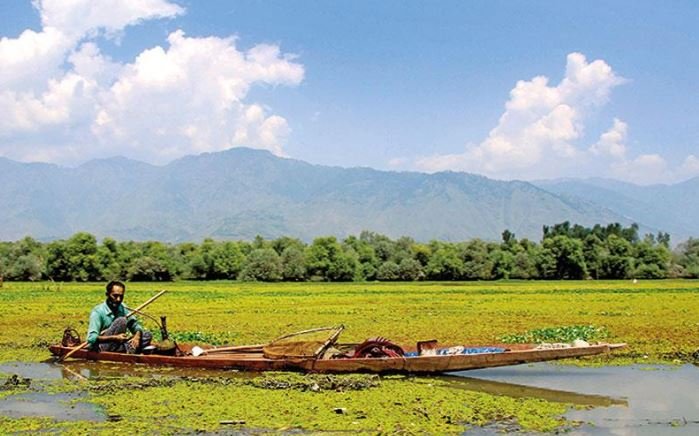
JAMMU, Feb 12: In a significant move to combat the environmental degradation of Wular Lake, one of Asia’s largest freshwater bodies, the Jammu and Kashmir Government has constituted two expert panels to spearhead conservation and waste management efforts. With pollution, encroachments, and ecological neglect pushing the lake toward an alarming state, these committees have been tasked with providing scientific guidance and formulating an actionable plan to restore its health. The Wular Conservation & Management Authority (WUCMA), the primary body responsible for the lake’s preservation, will be assisted by these panels in implementing evidence-based strategies aimed at mitigating the ongoing crisis.
The Technical Committee of Experts for Wular Lake comprises a distinguished group of hydrologists, ecologists, and policy experts who will ensure a scientific approach to lake restoration. The panel includes the Chief Engineer of the Irrigation & Flood Control Department in Kashmir, Kalpana Khurana, Director (LS) at the Delhi Development Authority, Suhas Damodar Khobragade, Scientist “G” from the Hydro Investigation Division of the National Institute of Hydrology in Roorkee, and Dr. R. Suresh Kumar, Scientist “F” at the Wildlife Institute of India. Other members include representatives from the College of Fisheries (SKUAST-Kashmir), Dr. Muqbil Burhan, Associate Professor at IIM Jammu specializing in livelihood strategies, representatives from the National Institute of Technology Srinagar focusing on hydrology, Dr. Majid Farooq, a GIS expert from the Department of Ecology, Environment & Remote Sensing, Dr. Junaid N Khan, a professor specializing in soil and water conservation at SKUAST-Kashmir, and Dr. Nazir Ahmad Changal, a veterinary expert from Uri Baramulla. The committee will serve for two years, meeting at least once every six months, and will be responsible for advising WUCMA on all technical aspects, reviewing research studies, and providing actionable recommendations for the sustainable management of Wular Lake.
Alongside the technical committee, a separate panel has been established to prepare a comprehensive waste management action plan for the 30 villages surrounding the lake. The unchecked disposal of solid waste and pollutants has been a major factor in the lake’s deterioration, threatening its biodiversity and water quality. This committee will be headed by the Deputy Commissioner of Bandipora, with the Project Coordinator (CAT) of WUCMA serving as Member Secretary. Other key members include the District Panchayat Officer of Bandipora, the District Officer of the Pollution Control Committee, the concerned Block Development Officers (BDOs), the Chief Executive Officer (CEO) of Urban Local Bodies, and any additional experts deemed necessary. Their mandate includes drafting a structured waste management plan within 45 days, ensuring its strict implementation, and monitoring its effectiveness over time.

