


Better Services through Capacity Building
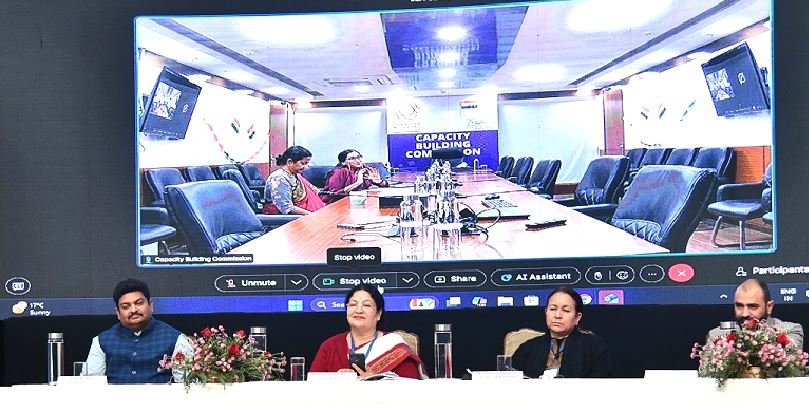
The ongoing effort to strengthen governance in Jammu and Kashmir has entered a thoughtful and promising phase with the renewed emphasis on developing structured capacity-building plans for government departments. This initiative reflects a growing understanding that good governance depends not only on policies and infrastructure but equally on the people who deliver public services every day. The recent workshop organized by JKIMPARD in collaboration with the Capacity Building Commission offered a gentle yet meaningful reminder that a capable and confident workforce is essential for creating an administration that truly serves citizens with care and efficiency.
Across the country, Mission Karmayogi has encouraged the creation of a civil service that is future-ready, adaptable, and guided by continuous learning. Jammu and Kashmir’s current approach fits well within this national vision. Rather than relying on isolated training sessions or one-time interventions, departments are now being guided to design thoughtful and well-structured plans that identify gaps, anticipate future needs, and cultivate the skills required to address them. This measured approach moves beyond routine practices and gradually builds a stronger foundation for responsive, outcome-oriented governance. One of the most encouraging aspects of the initiative is the use of AI-assisted tools in preparing Capacity Building Plans. These tools help departments understand their strengths and challenges more clearly and allow them to design targeted interventions. While technology is not a solution on its own, its gentle integration into administrative planning opens doors to more informed decision-making and better long-term strategies. The workshop also highlighted the importance of departments working together, rather than in isolation. When officials from diverse sectors share insights and learn from one another, planning becomes smoother, and training efforts become more meaningful. This spirit of collaboration is particularly valuable in a region where many departments must work in close coordination to deliver critical public services. Another important shift reflected in the discussions was the focus on meaningful and outcome-oriented training. The idea is not merely to complete sessions but to ensure that the learning translates into real improvements on the ground. A soft but steady move toward performance-based evaluations will help create a more reliable and people-oriented administrative culture. Beyond technical abilities, the initiative also acknowledges the importance of behavioural skills such as empathy, communication, and service orientation. A truly citizen-centric administration grows not only from enhanced capability but also from a deeper commitment to public welfare. Strengthening these qualities helps create institutions that feel approachable, trustworthy, and aligned with people’s expectations. The active participation of hundreds of officers across key departments illustrates the growing momentum behind this reform. As departments refine and finalize their capacity-building plans, the union territory moves closer to building a workforce better prepared for digital transformation, evolving administrative needs, and the daily responsibilities of public service.
The journey ahead will require consistent follow-up, continued support, and close collaboration with institutions like JKIMPARD and the CBC. With steady progress and sustained commitment, Jammu and Kashmir has a genuine opportunity to nurture a governance system that is efficient, compassionate, and aligned with the aspirations of its people. Capacity building may be a gradual process, but each thoughtful step brings the administration closer to creating an environment where public service is both effective and heartfelt.

