


Coordinated Security Approach
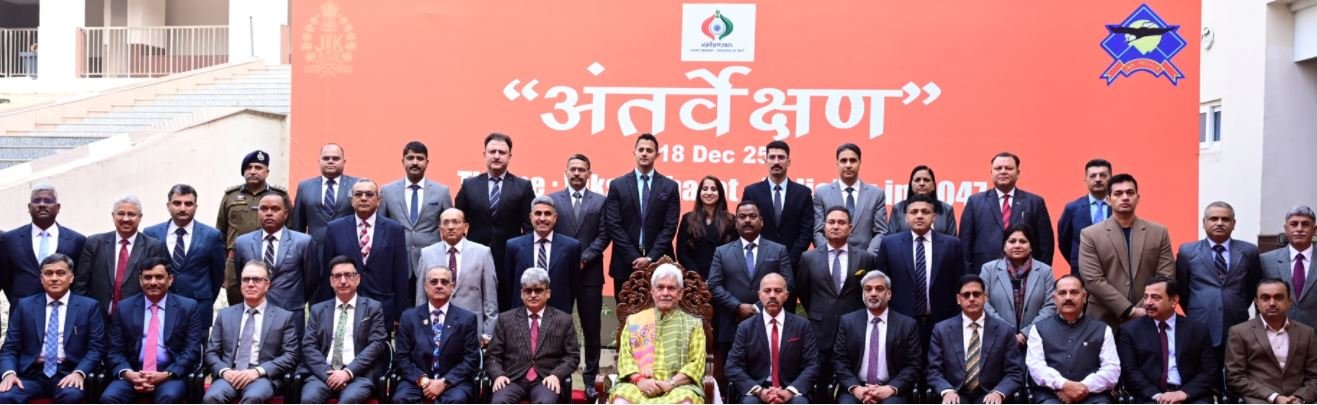
The security situation in Jammu and Kashmir has undergone steady evolution in recent years, shaped by a growing understanding that complex challenges require coordinated and thoughtful responses. The emphasis on UT-level security conferences reflects a shift towards collective planning, where agencies come together to share perspectives, align priorities, and work towards common objectives. This approach recognizes that today’s security concerns extend beyond isolated incidents and call for sustained cooperation across institutions.
Since 2019, there has been a visible effort to strengthen coordination among the police, armed forces, intelligence agencies, and the civil administration. This whole-of-government approach acknowledges that internal security is most effective when responsibility is shared and communication remains continuous. UT-level coordination meetings have provided a structured forum for reviewing developments, assessing strategies, and ensuring that policy decisions translate smoothly into action on the ground. A gradual move from reactive responses to more proactive security strategies has also taken shape. Instead of responding only after incidents occur, agencies are increasingly focused on anticipating risks, improving intelligence gathering, and addressing emerging threats at an early stage. This has contributed to a decline in violence and recruitment, highlighting the value of preparedness and sustained vigilance. Institutional coordination has helped narrow the space available to elements that seek to disrupt peace. Attention is now placed not only on armed militants but also on those who provide support in various forms. By addressing the broader ecosystem that enables such activities, security efforts have become more comprehensive and effective. The security landscape continues to change, influenced by technology, communication methods, and financial networks. Challenges such as online radicalization and narcoterrorism require adaptive responses that combine traditional intelligence with modern tools. The careful use of technology and data analysis is gradually enhancing situational awareness and decision-making, supporting personnel in carrying out their responsibilities more efficiently. Ongoing efforts to modernize policing and security institutions remain central to this process. Training, capacity building, and ethical leadership help ensure that security measures are carried out with professionalism and sensitivity. Strong institutions are better equipped to maintain public trust while responding firmly to threats. Equally important is the recognition that lasting security is closely linked to social stability and public confidence. Efforts to maintain peace are most effective when they are accompanied by respect for citizens, protection of daily life, and attention to underlying concerns. A balanced approach that combines firmness with fairness helps build long-term resilience. UT-level security discussions also serve as moments of reflection and reassurance. They signal continued attention from leadership and provide space for learning and adjustment. Regularly reviewing strategies helps prevent complacency and encourages steady improvement. The experience of Jammu and Kashmir in recent years suggests that integrated governance and cooperation can contribute meaningfully to stability. By continuing to strengthen coordination, adapt to changing challenges, and use technology responsibly, the region can build on existing gains and move forward with confidence, ensuring that security supports development and a sense of normalcy for its people.
Above all, Lieutenant Governor Manoj Sinha’s steady leadership and clear vision have played a significant role in strengthening security coordination and institutional confidence in Jammu and Kashmir. His emphasis on unity of effort, proactive strategies, and technological adaptation reflects a balanced and forward-looking approach. Going ahead, sustained inter-agency coordination, continued investment in intelligence capabilities, and deeper community engagement will further consolidate gains, ensuring that security measures remain effective, humane and aligned with long-term peace and development objectives.

