


Traffic Discipline Showing Results
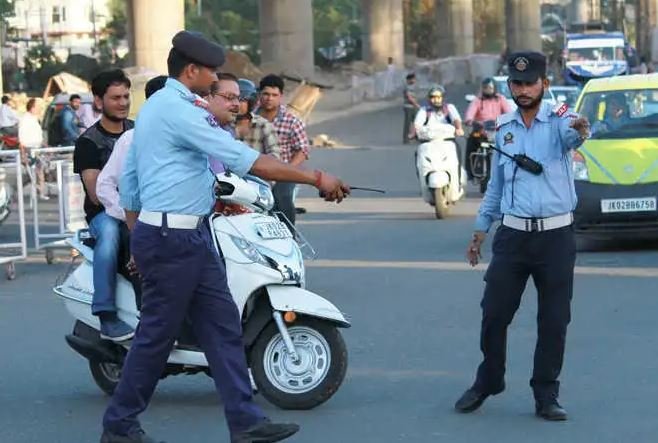
The experience of road safety management in rural Kashmir during 2025 presents a narrative of cautious optimism shaped by persistence, learning, and gradual behavioural change. With 202 road accident fatalities recorded during the year, down from 279 in 2024, the data reflects a notable improvement. While any loss of life is deeply distressing, the decline points to the impact of sustained traffic enforcement combined with growing public awareness. It suggests that consistent interventions, when pursued with clarity of purpose, can begin to influence outcomes even in complex and challenging environments.
Rural Kashmir poses unique difficulties for traffic governance. Mountainous terrain, sharp curves, narrow roads, unpredictable weather, and mixed traffic conditions create constant risks for commuters. In such a setting, traffic policing cannot rely on sporadic enforcement or symbolic actions. It demands continuous presence, adaptability, and coordination with the public. During 2025, traffic authorities adopted a firm yet measured approach, issuing over three lakh challans and generating ₹11.24 crore in revenue. These figures have drawn attention, but they are best viewed as instruments of deterrence rather than indicators of success in isolation. Each challan represents an attempt to correct unsafe behaviour before it results in tragedy. Importantly, enforcement was accompanied by an effort to shift perceptions. Traffic officials repeatedly underlined that the objective of policing is not punishment but prevention. This messaging appears to have found some resonance, as public cooperation reportedly improved over the year. Increasing numbers of people have begun to recognize traffic rules as protective measures rather than administrative burdens. This shift in mindset is critical, as long-term road safety depends more on voluntary compliance than on fear of penalties. Awareness and education emerged as central pillars of the strategy. Outreach programmes in schools and colleges sought to instill a culture of road discipline at an early age, while engagement at transport stands and public spaces targeted daily commuters and drivers. The involvement of NCC cadets and community stakeholders reflected an understanding that road safety is a shared responsibility. Such initiatives help reinforce simple but life-saving practices, including helmet use, seat belt compliance, adherence to speed limits, and respect for traffic signals. The emphasis on continuity also deserves attention. Traffic authorities made it clear that the enforcement and awareness mission would continue into 2026 with the same seriousness. This commitment is significant because road safety gains are fragile. A temporary easing of vigilance can quickly reverse progress, especially in regions where infrastructural limitations persist. Regular reviews, consultations, and targeted deployment of personnel have helped maintain momentum and ensure that enforcement remains consistent rather than episodic. Infrastructure, though not always visible in short-term statistics, plays a vital supporting role. Strengthening signage, improving road markings, addressing accident-prone stretches, and ensuring better lighting are essential complements to policing. The revenue generated through challans offers an opportunity to reinvest in these areas. Transparent and visible use of such funds for public safety improvements can enhance trust and reinforce the legitimacy of enforcement measures. Despite the encouraging decline in fatalities, the figure of 202 deaths serves as a sobering reminder of the human cost of road accidents. Each number represents a life lost and a family permanently affected. This reality underscores why traffic governance must keep human life at its core. Success cannot be measured only in reduced percentages or higher compliance rates but in the gradual prevention of avoidable loss and suffering.
The experience of rural Kashmir in 2025 illustrates the value of a balanced approach that blends enforcement with education and data-driven monitoring with community engagement. It shows that even in difficult contexts, incremental progress is possible when policies are sustained and clearly communicated. Going forward, deeper coordination between departments, continued public participation, and steady investment in safer infrastructure will be crucial. If the current trajectory is maintained and refined, the region can continue to move towards safer roads and a culture of responsible driving, where the true measure of progress lies in lives protected rather than penalties imposed.

