


Railway Growth in J&K
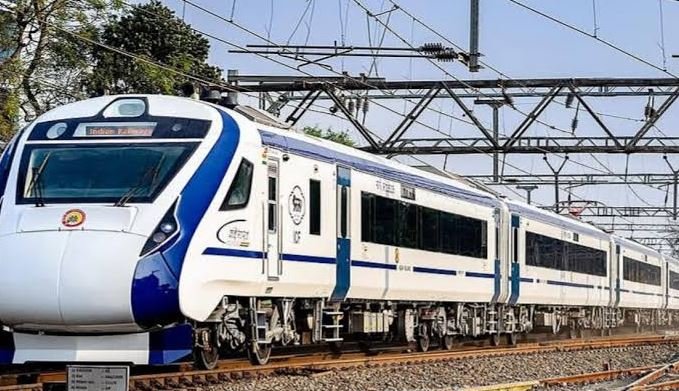
The completion of one year of operations by Northern Railway’s Jammu Division marks a significant phase in the journey of improved connectivity and development in Jammu and Kashmir. What was initially an administrative restructuring has, within a short span, translated into meaningful change on the ground, strengthening transportation links, expanding economic opportunities, and easing mobility in a region shaped by challenging geography.
The establishment of the Jammu Division of Northern Railway, India’s 70th railway division, brought focused attention to an area that had long required specialized planning and execution. Over the past year, this focused approach has delivered notable outcomes, the most prominent being the operationalization of the 272-kilometer Udhampur-Srinagar-Baramulla Rail Link. This long-awaited project has provided the Kashmir Valley with all-weather rail connectivity to the rest of the country, reducing dependence on vulnerable road routes and seasonal air travel. The impact of this rail link has been both practical and far-reaching. For passengers, it has meant safer, faster and more affordable travel. For traders, farmers, and businesses, it has introduced reliability into the movement of goods. During the year, more than 20,000 tonnes of apples and around 1.5 lakh tonnes of cement were transported by rail, directly benefiting horticulturists, construction activity and allied industries. The operationalization of the Anantnag goods shed, with a handling capacity of 1.5 lakh tonnes of cement, further strengthened logistics within the Valley. For the first time, automobile and food grain rakes reached Kashmir, and cherries were successfully transported from the Valley to Bandra, marking an important milestone in agricultural logistics. Equally noteworthy has been the commissioning of the Chenab and Anji rail bridges, which stand as symbols of engineering capability and perseverance. The Chenab Bridge, rising 35 meters higher than the Eiffel Tower in Paris, and the country’s first cable stayed Anji Rail Bridge have demonstrated that complex infrastructure can be realized even in difficult Himalayan terrain. These structures are not only engineering landmarks but also critical links that ensure uninterrupted rail movement. Passenger services have also seen a positive response. The introduction of Vande Bharat trains to the Valley has significantly improved travel experience. Since their launch on June 6, over 3.75 lakh passengers have availed the service, reflecting growing public confidence in modern rail connectivity. The enhanced comfort and reduced travel time have encouraged tourism and strengthened social ties between Jammu and Kashmir and other parts of the country. Improved connectivity has had a visible impact on religious and cultural tourism as well. The Katra-Amritsar route has strengthened spiritual linkages, making journeys easier for devotees and adding to the region’s tourism potential. Such movement has contributed to local economies while fostering greater cultural exchange. From an operational and commercial perspective, the first year has also been encouraging. The Jammu Division secured more than Rs 94 crore through new non-fare revenue contracts, demonstrating its ability to explore additional revenue streams. At the same time, Rs 3.72 crore was recovered from over 63,000 cases through ticket checking drives, reflecting improved enforcement and administrative efficiency. The year was not without challenges. Establishing a new division in a mountainous region demanded careful coordination, adaptability, and sustained effort. Ensuring passenger safety, service reliability, and operational efficiency required constant attention. Yet, the progress achieved suggests a steady learning process and growing institutional maturity. Beyond statistics and infrastructure, the broader significance of the Jammu Division lies in its contribution to regional integration. Reliable rail connectivity helps bridge physical and psychological distances, creating a sense of inclusion and opportunity. In a region where weather and terrain often dictate access, all-weather rail links offer stability that supports long-term development.
In the coming years, continued attention to maintenance, gradual expansion of freight facilities and better last-mile connectivity will be important. Strengthening safety measures, improving passenger comfort, and aligning railway planning with local economic needs can help the Jammu Division deepen its impact and support balanced, long-term regional development.

