


Citing COVID-19 Response, US Pulls Out of WHO and Pursues Bilateral Health Ties
Trump administration cites COVID era lapses and institutional bias as US pivots to direct health cooperation with partner nations.
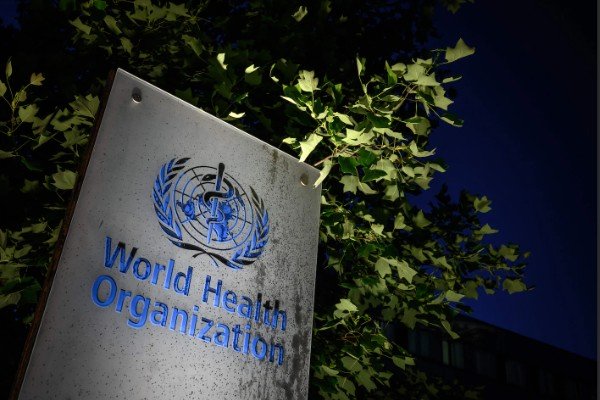
Washington, Jan 23: The United States has officially ended its association with the World Health Organization, closing a chapter that began with the country’s role as a founding member of the global health body in 1948.
The decision follows an executive directive signed by President Donald Trump immediately after assuming office, marking a major shift in Washington’s approach to international public health engagement. The administration has attributed the move to what it describes as systemic failures by the WHO during the COVID-19 crisis and a departure from its core mission.
For decades, the US was the organisation’s single largest contributor, providing both financial support and personnel. The withdrawal represents a sharp break from that legacy and signals a broader reassessment of multilateral health arrangements.
Administration cites loss of trust and accountability
In a joint statement, Secretary of State Marco Rubio and Health and Human Services Secretary Robert F Kennedy Jr said the exit was aimed at restoring US autonomy in health policy and decision-making.
They alleged that the WHO failed to act independently during the pandemic, pointing to delays in disseminating key information and what they described as undue political influence. The administration said these shortcomings undermined effective response efforts and may have exacerbated the pandemic’s impact in the United States.
The statement also accused the organisation of minimising or deflecting responsibility for its actions under the guise of public health decision-making.
Officials said the breakdown in relations continued even after the withdrawal announcement, claiming the WHO declined to return US national symbols displayed at its headquarters and questioned the procedural validity of the exit.
End of funding, shift to direct partnerships
The administration confirmed that all US financial contributions to the WHO and related staffing arrangements have been halted. Any remaining interaction with the organisation will be limited to technical matters necessary to complete the disengagement and safeguard domestic health interests.
At the same time, Washington emphasised that it would remain active in global health initiatives through alternative channels.
US officials said the government would pursue cooperation with individual countries and selected health institutions to improve disease surveillance, preparedness and response capabilities, arguing that such arrangements would be more effective than working through what they described as an inefficient multilateral structure.
The administration framed the decision as a symbolic acknowledgment of Americans affected by the pandemic, including lives lost and livelihoods disrupted during extended lockdowns.
The move reflects long-standing criticism from Washington over the WHO’s handling of COVID-19 and underscores a wider shift in US foreign policy away from certain multilateral institutions in favour of bilateral and issue-specific cooperation.

