


India’s Highest Honours: From Bharat Ratna to Ashoka Chakra
From Bharat Ratna to Ashoka Chakra, India celebrates its top achievers and heroes
India, Jan 26 : As the nation hoists the tricolour this Republic Day, India not only commemorates the adoption of its Constitution but also recognises the individuals whose exceptional contributions have shaped the country. The Indian system of awards celebrates excellence across diverse fields, from arts and literature to defence, sports, and public service. Knowledge of these honours is increasingly important for candidates preparing for competitive exams like civil services and banking.
Understanding Awards: A Symbol of Achievement
Awards go beyond ceremonial recognition they are a testament to dedication, skill, and impact. Be it in science, social service, literature, sports, or military bravery, these honours acknowledge individuals who have set exemplary standards, inspiring others to follow their path.
India’s Most Distinguished Awards
Indian honours are classified into civilian, military, literary, arts, and sports awards. Some of the notable recognitions include:
Bharat Ratna (1954) – Civilian
Padma Vibhushan (1954) – Civilian
Padma Bhushan (1954) – Civilian
Padma Shri (1954) – Civilian
Param Vir Chakra (1950) – Military
Ashoka Chakra (1952) – Military
Shaurya Chakra (1952) – Military
Vir Chakra (1947) – Military
Dadasaheb Phalke Award (1969) – Film
Arjuna Award (1961) – Sports
Rajiv Gandhi Khel Ratna (1991) – Sports
Sahitya Akademi Award (1954) – Literature
Jnanpith Award (1961) – Literature
These awards are milestones of excellence, reflecting India’s enduring commitment to celebrate talent, courage, and service across generations.
Civilian Honours: Recognising Remarkable Contributions
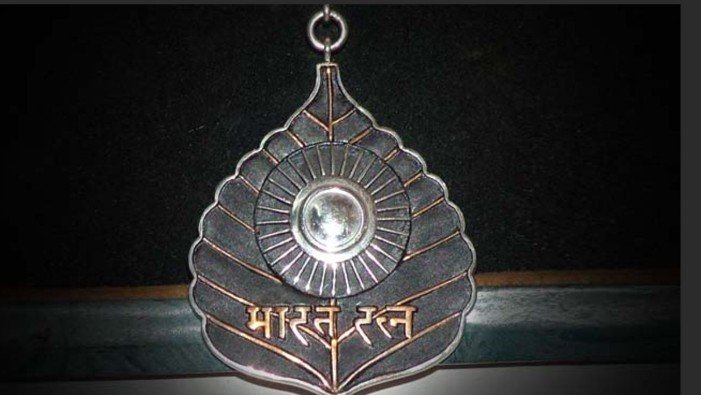
Bharat Ratna: India’s highest civilian honour, awarded to individuals whose outstanding achievements have had a transformative impact. Past recipients include C.V. Raman (science), Mother Teresa (humanitarian work), Amartya Sen (economics), Bhimsen Joshi (music), and JRD Tata (industry).
Padma Vibhushan: The second-highest civilian award for exceptional service in any field, honouring pioneers and innovators driving India’s progress.
Padma Bhushan: Awarded for distinguished service of a high order, recognising contributions that significantly influence the nation.
Padma Shri: The fourth-highest civilian award, presented annually on Republic Day to individuals excelling in literature, art, education, medicine, industry, social work, or sports.
Military and Gallantry Awards: Honouring Courage
Param Vir Chakra: Established in 1950, India’s top wartime gallantry award, recognising acts of supreme courage and self-sacrifice on the battlefield.
Ashoka Chakra: Instituted in 1952, this is India’s highest peacetime military award, honouring extraordinary bravery beyond combat.
Mahavir Chakra: The second-highest wartime gallantry honour, awarded for exceptional courage and devotion to duty, with several Indian Air Force officers recognised for their heroism during the 1971 Indo-Pakistan War.
India’s awards system reflects a balance between celebrating achievements in civilian life, acknowledging exceptional bravery in uniform, and inspiring generations to pursue excellence, service, and patriotism.

