


Global Health Risks from Plastics Could Double by 2040, Warns Lancet Study
Study urges global action to curb plastic production and emissions to protect human health
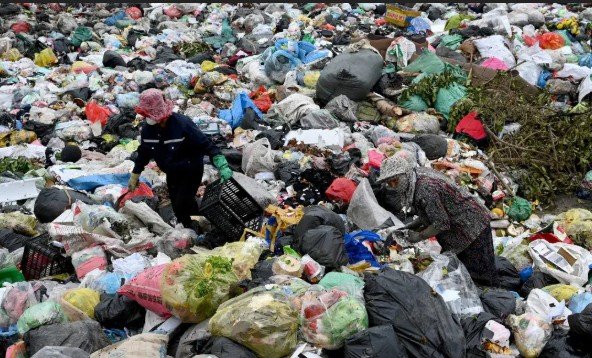
India, Jan 27 : Adverse health impacts from the world’s plastics system including greenhouse gases, air pollutants, and toxic chemicals could more than double by 2040 compared to 2016 levels if current trends persist, according to a new study published in The Lancet Planetary Health.
The research, conducted by experts from the London School of Hygiene and Tropical Medicine and French institutions, also warns that global plastic production may continue to rise until beyond 2100, exacerbating environmental and health pressures.
Plastic pollution across its lifecycle from raw material extraction and polymer production to waste disposal, recycling, and open burning has increasingly been linked to significant human health risks. The study estimates these effects using disability adjusted life years (DALYs), a first for a global-scale plastics lifecycle assessment.
Researchers noted that non-disclosure of the chemical composition of plastics limits accurate health assessments, hindering effective policy making. Their proposed framework allows for continuous updates with new data and methods, offering policymakers a tool to quantify and mitigate health impacts from plastics and their alternatives.
The study highlights that primary plastics production and open burning contribute the most to health burdens, including global warming-related illnesses, air pollution, cancers, and non-communicable diseases. Under a business as usual scenario, the adverse effects are projected to more than double between 2016 and 2040.
To address the crisis, the authors urge deep reductions in virgin plastic production, especially for non-essential uses, and advocate for globally coordinated policies that target the full lifecycle of plastics. Over 175 countries are currently negotiating a Global Plastics Treaty aimed at mitigating these environmental and health impacts.

