


Rupee Falls to Record Low of 92 Against US Dollar Amid Capital Outflows
Foreign capital outflows, US tariffs, and corporate hedging pressure push rupee to historic levels despite strong GDP growth
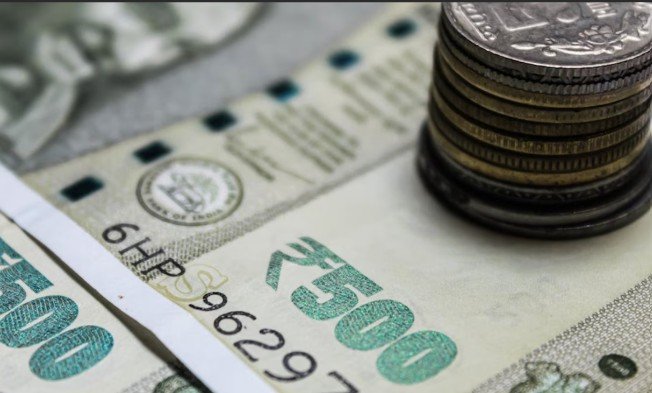
New Delhi, Jan 29: The Indian rupee breached the key 92 mark against the US dollar on Thursday, hitting an all time low as persistent foreign capital outflows and heightened corporate hedging outweighed positive domestic economic trends.
The currency fell past its previous record of 91.9650 reached last week, marking a 2% decline so far this year and nearly 5% since the imposition of steep US tariffs on Indian merchandise exports. This comes even as India’s GDP grew 8.2% in the quarter ended September 30, according to official data.
Traders said the Reserve Bank of India likely intervened ahead of the local spot market open to curb excessive volatility as the rupee neared the psychologically important 92 level. The central bank maintains it does not target a specific currency band but steps in to stabilize sharp swings.
Factors weighing on the rupee
Steep US tariffs, large foreign portfolio outflows, rising bullion imports, and corporate caution over further depreciation have kept pressure on the rupee, despite India’s status as the world’s fastest growing major economy and the recent free trade deal with the European Union.
Since the tariffs came into effect, the rupee has lost 7.5% against both the euro and the Chinese yuan. On a trade weighted basis, the real effective exchange rate stood at 95.3 in December, the lowest in a decade, according to RBI data.
“While we anticipate current elevated US tariffs on Indian exports to eventually be lowered, the delay remains a drag on India’s external balances,” analysts at Goldman Sachs said. The firm expects the rupee to weaken further to 94 per dollar over the next 12 months.
A shift in corporate hedging has also amplified pressure, with importers buying dollars to guard against further depreciation and exporters reducing forward dollar sales, tightening supply and pushing the rupee lower.

