


India-US Interim Trade Agreement Sparks Political Divide: Modi Praises, Congress Criticises
PM Modi Calls Framework ‘Great News’ for Jobs and Exports; Opposition Seeks Parliamentary Debate
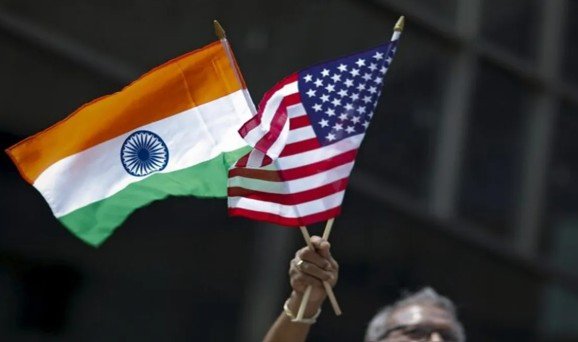
New Delhi, Feb 07 : India and the United States have unveiled a framework for an interim trade agreement that will reduce US tariffs on Indian goods to 18%, a development Prime Minister Narendra Modi said would strengthen economic ties and accelerate domestic growth.
Welcoming the move, Modi described it as evidence of the “growing depth, trust and dynamism” in bilateral relations. He noted that the arrangement would reinforce the Make in India initiative by creating fresh opportunities for farmers, start-ups, MSMEs, and the fisheries sector while supporting employment, particularly for women and youth. In a post on X, the Prime Minister termed the announcement “great news” and acknowledged US President Donald Trump’s role in advancing closer cooperation.
Commerce and Industry Minister Piyush Goyal said the framework positions both economies for sustained expansion and grants Indian exporters access to a USD 30 trillion market. He added that the deal could generate lakhs of jobs and broaden trade prospects across multiple sectors.
Under the plan, Washington will cut reciprocal duties on several Indian-origin products, including textiles, leather goods, plastics, organic chemicals, machinery, and handicrafts. Tariffs will be eliminated entirely on select items such as gems and diamonds, generic medicines, and aircraft components, improving India’s competitiveness abroad. The country will also benefit from exemptions under Section 232 for aircraft parts, preferential quotas for automotive components, and revised terms for pharmaceutical trade.
Officials emphasised that sensitive areas such as agriculture and dairy remain protected. Duties will continue on commodities including rice, wheat, maize, poultry, milk products, certain vegetables, ethanol, tobacco, and meat to shield rural incomes.
A joint statement indicated that, following the interim pact, both nations intend to negotiate deeper tariff reductions, address non-tariff barriers, enhance regulatory cooperation, and bolster supply chain resilience as part of the roadmap toward a comprehensive Bilateral Trade Agreement (BTA). Finance Minister Nirmala Sitharaman called the framework a step toward balanced and mutually beneficial commerce.
However, the announcement has triggered political debate. Congress leader Manish Tewari questioned the scope of tariff reductions and urged a detailed discussion in Parliament, arguing that the provisions could carry significant long term implications given the concessions already outlined in the Finance Bill 2026.
Both governments have committed to swiftly operationalising the framework while continuing negotiations aimed at finalising the broader trade pact.

