


India Ramps Up LPG Production to 60% to Counter Middle East Supply Risks
Shift to PNG and expanded distribution measures help stabilise fuel availability during Middle East crisis
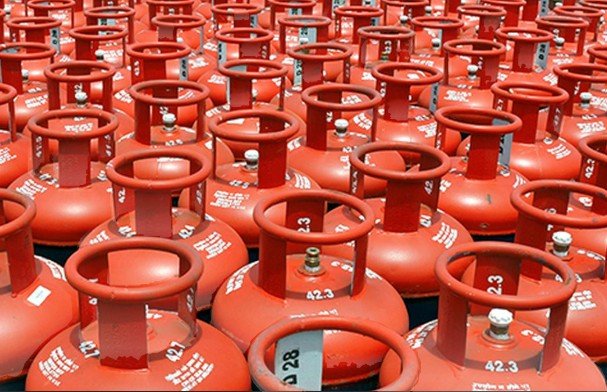
India, Apr 11 : India has significantly reinforced its fuel security, with domestic LPG production now meeting nearly 60% of national demand, cushioning the impact of ongoing tensions in the Middle East. As the conflict involving Iran stretches beyond 40 days, authorities are actively implementing strategies to ensure uninterrupted energy access across the country.
A key step has been the accelerated transition from LPG to piped natural gas (PNG). Over the past five weeks, more than four lakh households have shifted to PNG connections, easing pressure on LPG demand while maintaining consistent supply for consumers.
According to Sujata Sharma, Joint Secretary in the Ministry of Petroleum and Natural Gas, the expansion of PNG infrastructure is progressing rapidly with strong backing from state governments and Union Territories. She noted that over 4.05 lakh LPG connections have already been converted, while 4.41 lakh new consumers have been added recently, indicating steady growth in the gas distribution network.
Despite geopolitical uncertainties, officials confirmed that LPG availability remains stable nationwide. Distributors are maintaining adequate stock levels, and no shortages have been reported. Commercial LPG supplies, which had faced temporary disruptions, have now rebounded to nearly 70%, ensuring continued support for key sectors such as healthcare, education, hospitality, and manufacturing.
To improve accessibility for economically vulnerable groups, the government has expanded the supply of 5 kg LPG cylinders and simplified documentation requirements. This initiative has led to increased adoption, with nearly one lakh smaller cylinders currently being sold.
Data indicates that since mid-March, commercial LPG sales have reached approximately 106,000 tonnes, with daily consumption stabilising between 6,000 and 6,500 tonnes. Additionally, authorities have ramped up awareness efforts, conducting over 2,400 outreach campaigns in just one week to educate consumers about fuel options and improve accessibility.
In the natural gas sector, priority allocation continues for domestic consumption, while industries linked to the gas grid are receiving about 80% of their requirements. Supply to the fertiliser sector has also improved, reaching 95% of normal levels.
Officials further assured that crude oil reserves remain sufficient, and refineries are operating efficiently. To support essential industries, around 800 tonnes of petroleum products are being allocated daily to pharmaceutical and petrochemical sectors.
Overall, India’s proactive measures and diversified fuel strategy are helping maintain energy stability despite global uncertainties.

