


Strait of Hormuz Traffic to Follow Tehran-Approved Route After Coordination, Says Iran Foreign Ministry
Tehran mandates strict routing and coordination for vessels while warning against US blockade, as tanker movement cautiously resumes
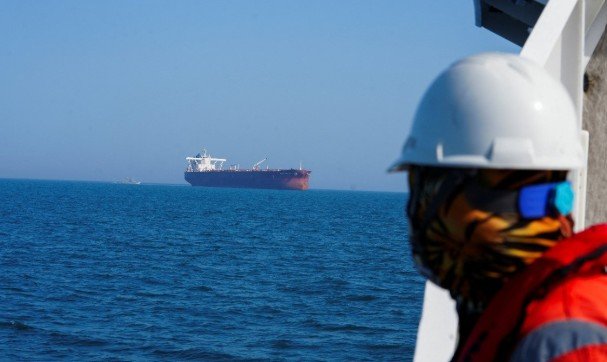
Iran, Apr 18 : Amid heightened geopolitical tensions in West Asia, Iran has asserted tighter control over maritime traffic in the Strait of Hormuz, directing all vessels to follow designated routes approved by Tehran and coordinate closely with its authorities.
The directive was outlined by Iranian Foreign Ministry spokesperson Esmaeil Baghaei during a televised interview on April 17, where he emphasized that ships passing through the conflict affected waterway must comply with newly established maritime protocols. He noted that the measures are aimed at ensuring security and regulating navigation amid ongoing regional instability.
Baghaei also issued a stern warning regarding the reported US naval blockade of Iranian ports, calling it a violation of the ongoing ceasefire. He stated that Iran would respond decisively to any such actions, signaling the possibility of further escalation if tensions are not de-escalated diplomatically.
Adding to the developments, senior Iranian lawmaker Ebrahim Azizi said that only commercial vessels authorized by the Islamic Revolutionary Guard Corps would be permitted to transit through the strait. He further indicated that ships would be required to comply with a toll mechanism and use routes defined under what he described as a “new maritime regime” introduced by Iran last month.
The evolving policy marks a significant departure from earlier norms, where international shipping through the Strait operated without direct approval-based mechanisms. The shift comes in the backdrop of the ongoing conflict involving Iran and a joint front led by Israel and the United States, which began earlier this year.
The strategic waterway, which previously handled nearly 20 percent of global oil shipments, has only recently reopened under a temporary 10-day ceasefire announced by Iranian Foreign Minister Abbas Araqchi. However, Iranian defense authorities have made it clear that military vessels or ships linked to adversarial forces would not be allowed passage under any circumstances.
Despite the uncertainty, maritime activity showed signs of cautious revival on April 18, as a convoy of oil tankers began crossing the Strait. The group included liquefied petroleum gas carriers and chemical tankers navigating near Larak Island, according to shipping data. This marks the first significant movement of vessels since hostilities disrupted trade routes in the region.
Meanwhile, US President Donald Trump hinted at positive developments in negotiations with Iran, expressing cautious optimism about the situation. Speaking aboard Air Force One, he suggested that talks were progressing, though he refrained from sharing specific details.
Trump also clarified that the current ceasefire arrangement may not be extended if both sides fail to reach a broader agreement within the stipulated timeframe. He reiterated that the United States does not support the imposition of tolls or restrictions on maritime transit through the Strait, firmly rejecting Iran’s proposed measures.
As diplomatic engagements continue, the situation in the Strait of Hormuz remains fluid, with global energy markets and international shipping closely monitoring developments. The region’s stability will likely depend on the outcome of ongoing negotiations and the willingness of key stakeholders to avoid further escalation.

