


Rescue Victims, Punish Drug Peddlers
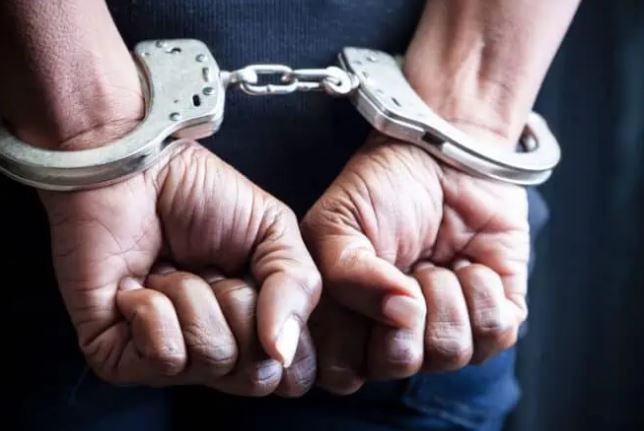
Jammu and Kashmir’s proposed long-term rehabilitation framework for drug abuse victims is a welcome and necessary step, because the battle against drugs cannot be won through arrests and seizures alone. Enforcement must continue with full force against peddlers, traffickers and narco-networks, but those who have fallen victim to addiction need treatment, guidance, dignity and a real chance to rebuild their lives. The review, chaired by Chief Secretary Atal Dulloo, reflects a serious understanding that drug addiction is not only a law-and-order issue. It is also a health crisis, a social concern and a human tragedy.
The administration’s focus on a three-year structured rehabilitation model is important because recovery from addiction is never instant. A person may come out of treatment, but the real struggle begins afterwards. Without emotional support, livelihood, family acceptance and social reintegration, the risk of relapse remains high. Many recovered youth face stigma, unemployment, isolation and distrust. If society continues to reject them after treatment, it silently pushes them back towards the same destructive path. Therefore, rehabilitation must not end at detoxification. It must continue until the person regains stability, confidence and purpose. The proposal to create a pool of trained patient mentors in every district deserves strong support. At least 30 to 40 mentors in each district can become a powerful support system if they are properly selected, trained and supervised. These mentors should not be symbolic volunteers. They must have basic qualifications, proper training through institutions like IMHANS and clear responsibilities. Their role should include counselling support, emotional guidance, family coordination, relapse warning, motivation and regular follow-up. A committed mentor can become a bridge between the patient, family, counsellor, doctor and administration. At the same time, the system must be strict in ensuring professionalism. Rehabilitation cannot be handled casually. Addiction recovery involves psychological pressure, emotional breakdown, social fear and medical complications. Untrained handling can do more harm than good. The government must build a serious cadre of trained resource persons and create an incentive mechanism so that mentors remain motivated and accountable. The suggestion to categorise patients according to the severity of addiction is also practical. Every case is different. Some victims need medical treatment, others require counselling, some need residential care and many need education or employment support after recovery. A uniform approach will fail. The rehabilitation plan must be flexible, patient-specific and based on ground realities. Livelihood support is one of the strongest pillars of long-term recovery. A recovered person who has no work, no skill and no acceptance may again become vulnerable. Skill development, self-employment support and linkage with government schemes can give such individuals a fresh direction. Those who left schools and colleges due to addiction should be helped to resume their education. A second chance should not be a slogan. It must become a structured policy. The proposed digital portal for monitoring rehabilitation is a positive step, but it must protect privacy. The data of recovering individuals should be used to support them, not expose them to stigma. Digital monitoring can help track progress, coordinate services and prevent relapse, but it must remain humane and confidential. The soft message of this plan is compassion. The aggressive message is accountability. Drug peddlers must be crushed, but victims must be rescued. Society must stop treating recovering youth as permanent offenders. Families must support them, institutions must guide them and the administration must handhold them.
Jammu and Kashmir needs a rehabilitation model that is firm, professional and deeply humane. If this plan is implemented with sincerity, trained manpower, proper funding, district-level monitoring and community participation, it can become a milestone in the fight against drugs. The real victory will not be only in punishing traffickers. It will be in saving young lives, restoring families and bringing affected youth back into society with dignity and hope. The proposed rehabilitation framework deserves appreciation for placing dignity, treatment and livelihood at its centre. The government should ensure trained mentors, regular monitoring, privacy protection, family counselling and timely funding so that recovered youth are supported with care and confidence.

